

okhara is a lakeside city in central Nepal and the capital of Gandaki Province. Nestled beneath the Annapurna mountain range, it is a major gateway to the Himalayas and a premier destination for trekking, adventure sports, and scenic tourism. The city is Nepal’s second most populous urban area and a key economic and cultural center.
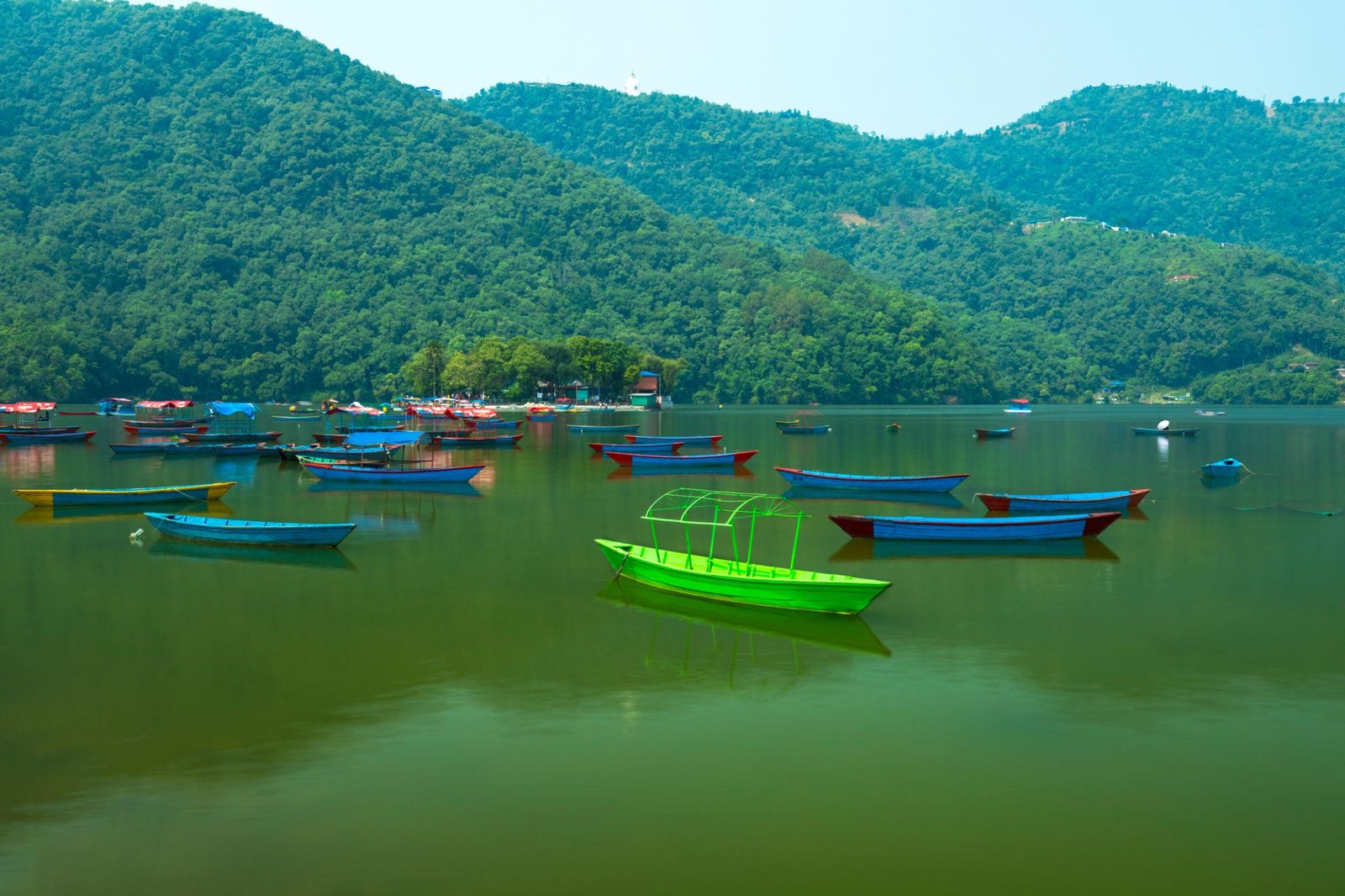
One of the main highlights of Pokhara is its beautiful lakes. Phewa Lake is the most famous among them, where visitors can enjoy boating while watching the reflection of the mountains on the water. The lakeside area is full of hotels, restaurants, and shops, making it a lively yet relaxing place for tourists. Apart from Phewa Lake, Pokhara also has Begnas Lake and Rupa Lake, which offer a more peaceful and less crowded experience.
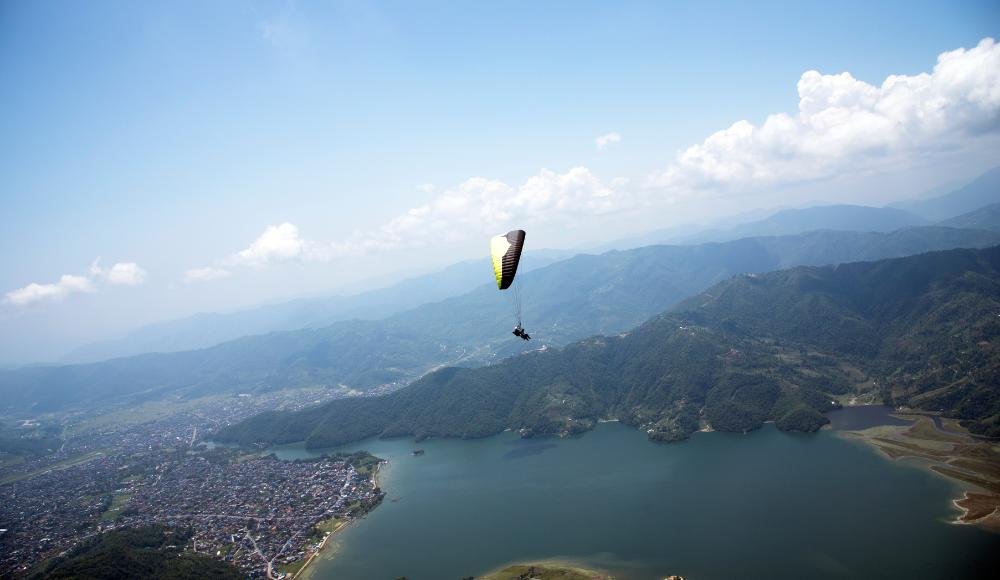
Pokhara is also a major hub for adventure tourism in Nepal. It is the starting point for many famous trekking routes such as the Annapurna Base Camp trek and Mardi Himal trek. Adventure lovers can enjoy activities like paragliding, zip-lining, ultra-light flights, and mountain biking. The Sarangkot viewpoint is especially popular for sunrise views over the Himalayas, attracting thousands of visitors every year.
Key facts
- Country: Nepal
- Province: Gandaki
- Population: About 600,000 (2023 est.)
- Elevation: ~827 meters (2,713 ft)
- Known for: Phewa Lake, Annapurna views, paragliding, trekking gateway
Geography and Landscape
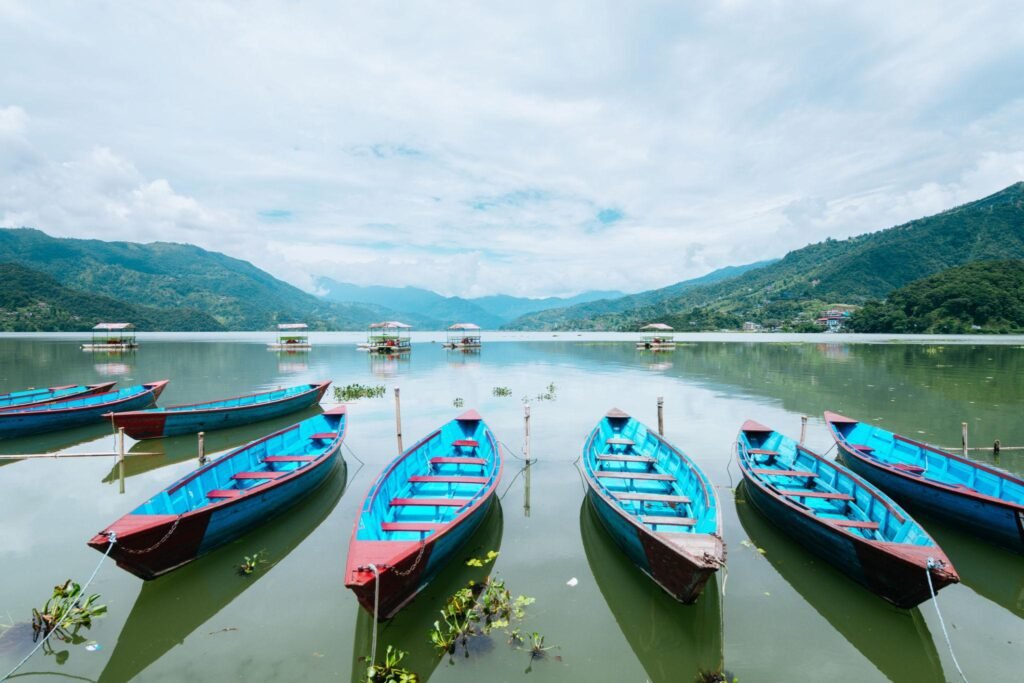
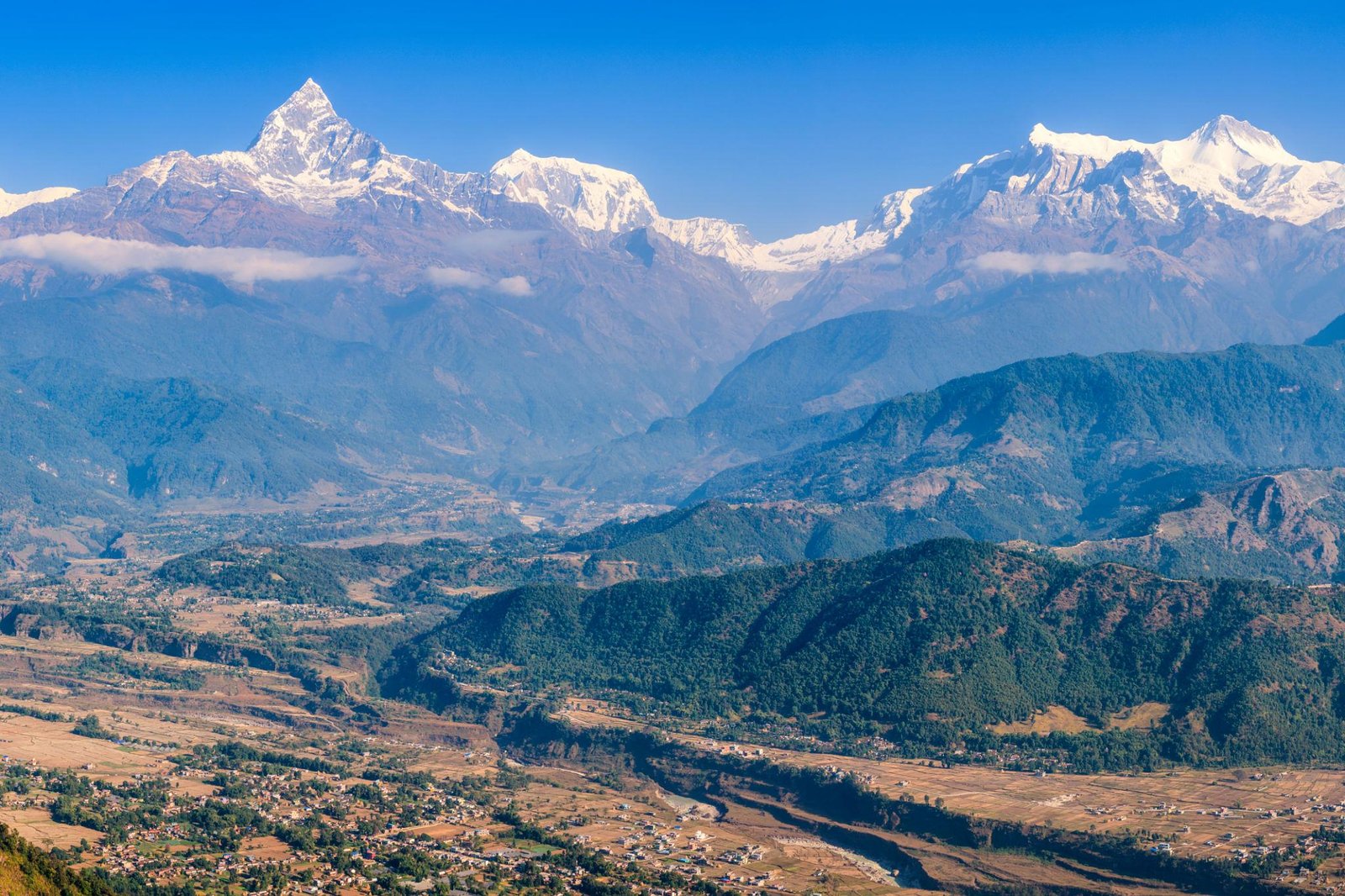
Pokhara lies in a subtropical valley formed by the Seti Gandaki River, surrounded by lush hills and the towering Annapurna and Machapuchare peaks. Its numerous lakes, especially Phewa, Begnas, and Rupa—create a tranquil contrast to the dramatic Himalayan backdrop, making it one of South Asia’s most photogenic cities.
Tourism and Adventure
The city serves as the main starting point for treks in the Annapurna Conservation Area, including the popular Annapurna Circuit and Base Camp routes. Adventure activities such as paragliding, ultralight flights, white-water rafting, and mountain biking draw travelers year-round. Lakeside, Pokhara’s tourist district, is filled with cafés, lodges, and cultural venues catering to international visitors.
Economy and Development
Pokhara’s economy is heavily driven by tourism, hospitality, and trade. The city has also seen growth in education, healthcare, and aviation infrastructure, including Pokhara International Airport, which opened in 2023. Local agriculture and handicrafts support surrounding rural communities.
Culture and Lifestyle
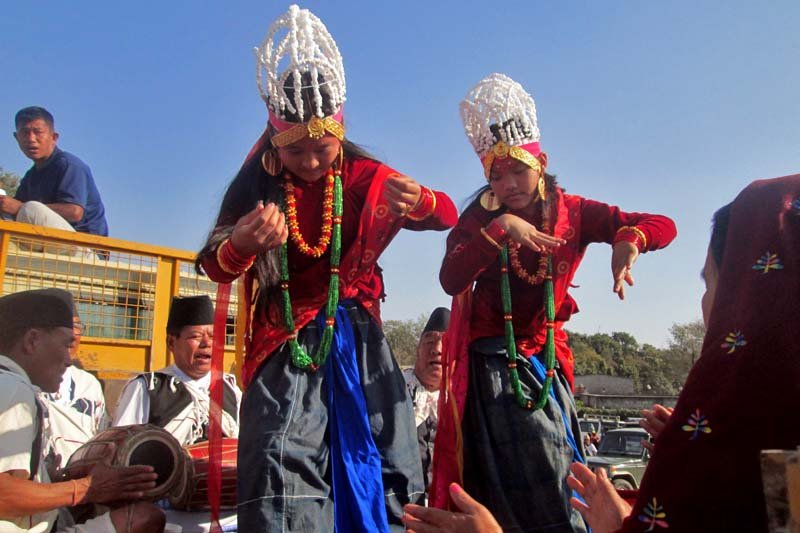
The population includes Gurung, Magar, Brahmin, and Newar communities, whose traditions enrich the city’s festivals and cuisine. Pokhara hosts events like the Pokhara Street Festival and serves as a cultural meeting point where urban modernity blends with Himalayan heritage.
Why These Towns Are Important for Nepal Tourism
These towns are not only beautiful travel destinations but also major contributors to Nepal’s tourism industry and economic growth. Tourism creates jobs, supports local businesses, preserves culture, and promotes Nepal globally.
Exploring these towns helps travelers discover:
- Rich cultural heritage
- Himalayan adventure
- Religious harmony
- Natural beauty
- Local traditions
Conclusion
Among them, Pokhara stands out as one of the most beautiful and relaxing destinations in Nepal. Surrounded by stunning Himalayan views, peaceful lakes like Phewa Lake, and famous peaks such as Machhapuchhre and Annapurna, Pokhara is often called the “tourism capital of Nepal.” It is also a major gateway for popular trekking routes like Annapurna Base Camp and Mardi Himal. Visitors can enjoy boating, paragliding, zip-lining, or simply relaxing by the lakeside while enjoying the natural beauty. Pokhara perfectly combines adventure, peace, and natural charm, making it a must-visit destination.
Exploring the towns of Nepal allows visitors to discover Himalayan culture, local lifestyles, ancient heritage, and unforgettable adventures. Whether you are traveling for relaxation, trekking, sightseeing, or spirituality, Nepal’s towns provide memories that last forever.