

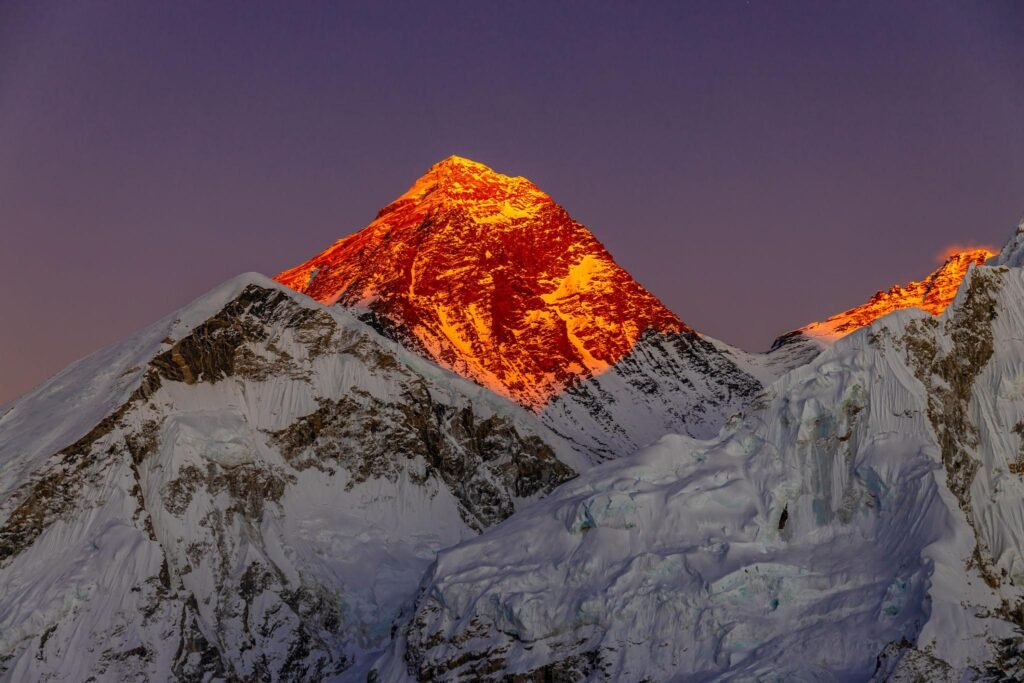
Standing proudly at a height of 8,848.86 meters (29,031.7 feet), Mount Everest, locally known as Sagarmatha in Nepal, is the highest mountain in the world. Located in the heart of the Himalayas, Everest is not only a dream destination for mountaineers but also a symbol of adventure, courage, and natural beauty.
Every year, thousands of trekkers and climbers visit Nepal to witness the breathtaking beauty of Mount Everest. From snow-covered peaks and ancient Sherpa culture to thrilling trekking routes and stunning landscapes, Everest offers an unforgettable experience for travelers from around the globe.
Where is Mount Everest Located?
Mount Everest lies in the Mahalangur Himalayan Range on the border between Nepal and Tibet (China). The southern side of Everest is located inside the Sagarmatha National Park in northeastern Nepal.
The Nepali name “Sagarmatha” means “Forehead of the Sky,” while the Tibetan name “Chomolungma” means “Goddess Mother of the World.”
Why is Mount Everest Famous?
1. Highest Mountain in the World
Mount Everest is globally famous for being the tallest mountain on Earth. Reaching the summit is considered one of the greatest achievements in mountaineering.
2. Everest Base Camp Trek
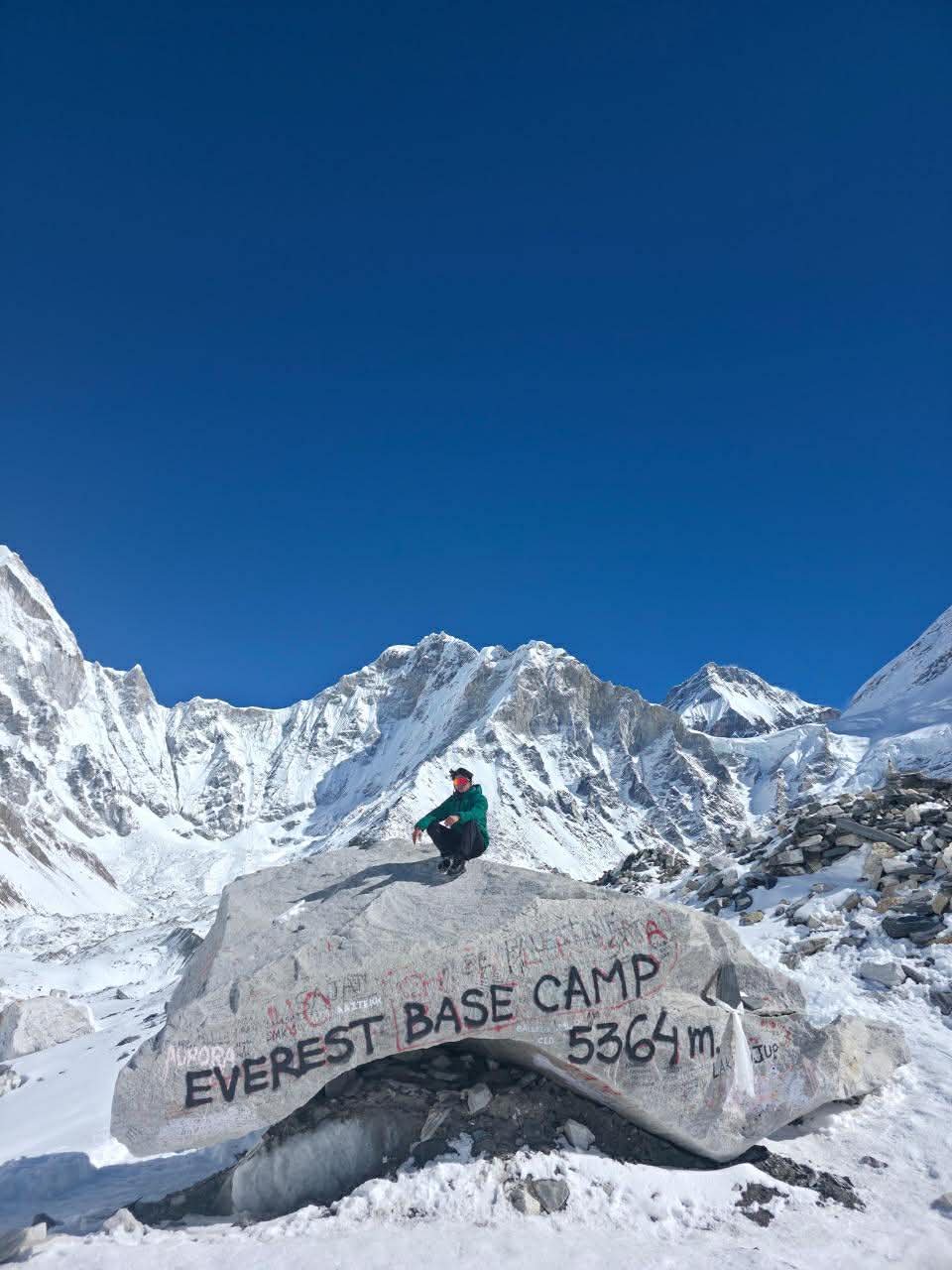
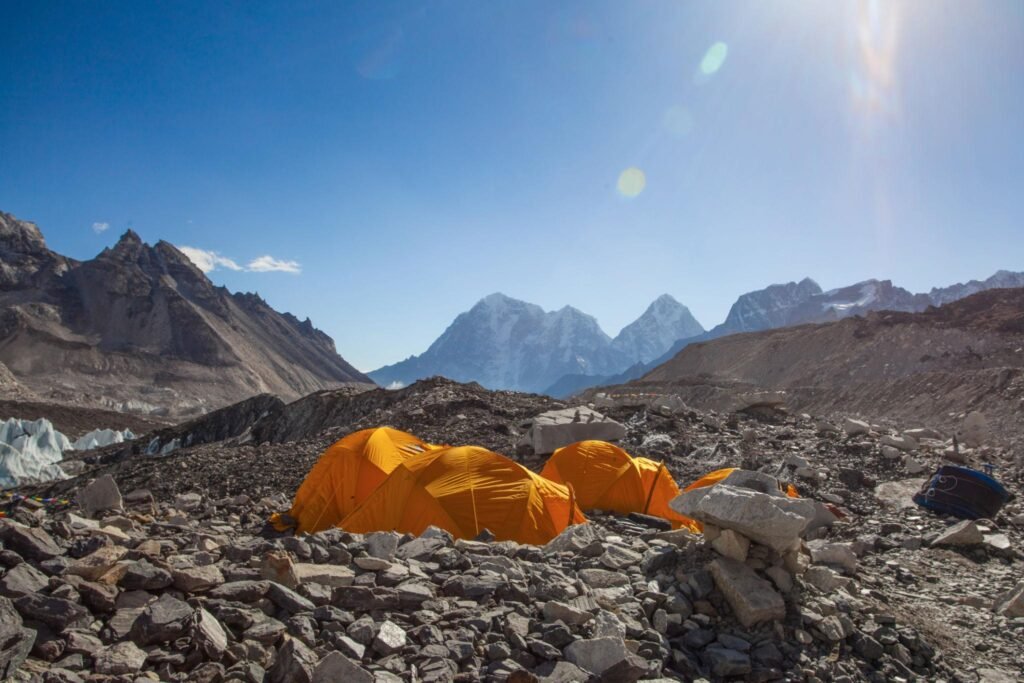
The Everest Base Camp Trek is one of the world’s most popular trekking adventures. Travelers experience spectacular Himalayan scenery, Sherpa villages, suspension bridges, monasteries, and glaciers.
3. Adventure and Mountaineering
Everest attracts professional climbers from every corner of the world. Climbing Everest is physically and mentally challenging, making it a true test of human endurance.
4. Rich Sherpa Culture
The Everest region is home to the Sherpa community, known for their hospitality, mountaineering skills, and unique Himalayan traditions.
Mount Everest was first successfully climbed on May 29, 1953, by Sir Edmund Hillary from New Zealand and Tenzing Norgay Sherpa from Nepal.
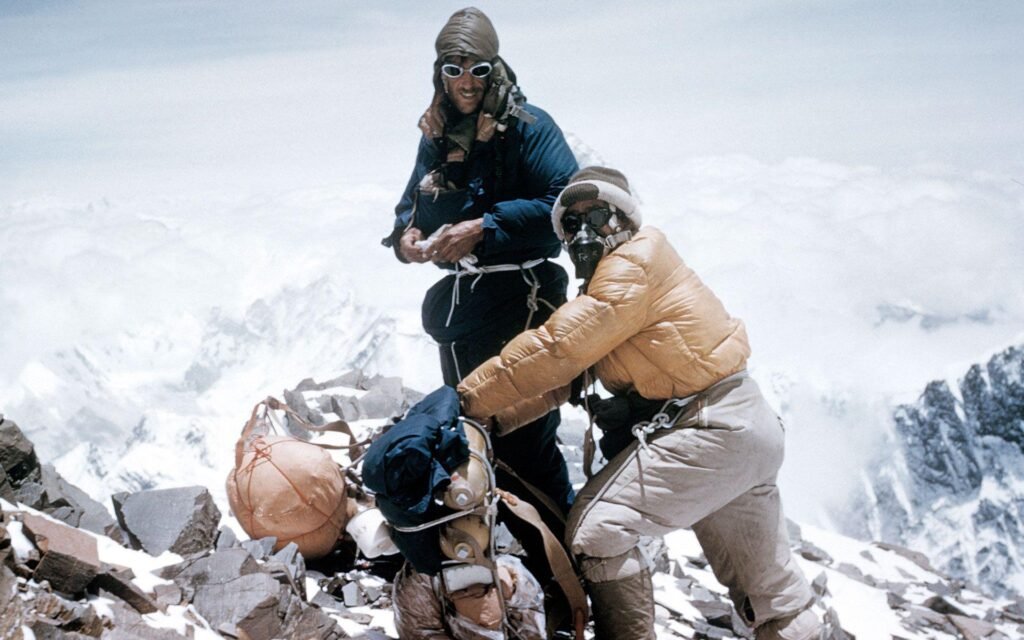
This historic achievement brought worldwide attention to Nepal and the Himalayas. Since then, Everest has become one of the most iconic travel and adventure destinations on Earth.
verest Base Camp Trek
The Everest Base Camp Trek is one of the best ways to experience the beauty of the Himalayas without climbing the summit.
Trek Highlights
- Scenic flight to Lukla
- Beautiful Sherpa villages like Namche Bazaar
- Views of Everest, Lhotse, Ama Dablam, and Nuptse
- Visits to Tengboche Monastery
- Khumbu Glacier and Everest Base Camp
The trek usually takes around 12 to 14 days, depending on the itinerary and acclimatization schedule.
Best Time to Visit Mount Everest
Spring (March to May)
- Best season for climbing Everest
- Pleasant weather and clear skies
- Blooming rhododendron forests
Autumn (September to November)
- Excellent mountain visibility
- Stable weather for trekking
- Popular season for Everest Base Camp Trek
Winter is extremely cold, while monsoon season brings rain and cloudy conditions.
Wildlife and Nature Around Everest
The Everest region is part of Sagarmatha National Park, a UNESCO World Heritage Site. The area is rich in natural beauty and biodiversity.
Wildlife Found in the Region
- Snow Leopard
- Himalayan Tahr
- Musk Deer
- Himalayan Monal
- Red Panda
Trekkers also enjoy beautiful forests, rivers, glaciers, waterfalls, and alpine landscapes throughout the journey.
Sherpa Culture and Traditions
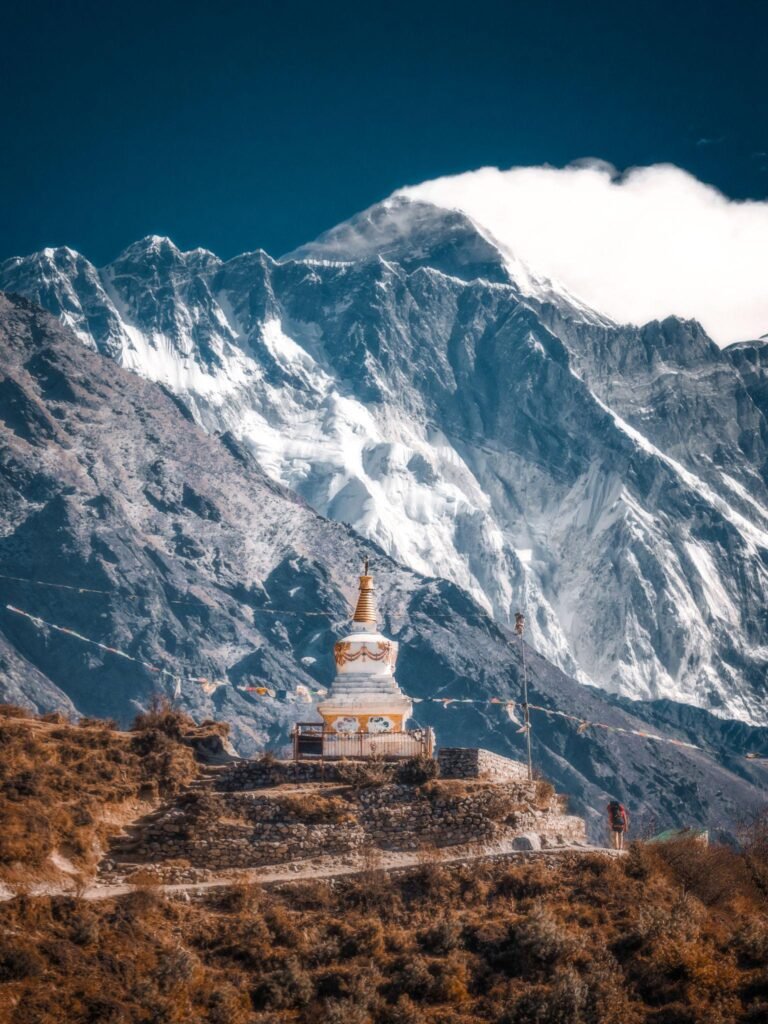
The Sherpa people are an important part of the Everest region. Their traditions, Buddhist monasteries, prayer flags, and mountain lifestyle create a unique cultural experience for visitors.
Tengboche Monastery is one of the most famous spiritual sites in the Everest region and offers incredible views of the surrounding peaks.
Challenges of Climbing Mount Everest
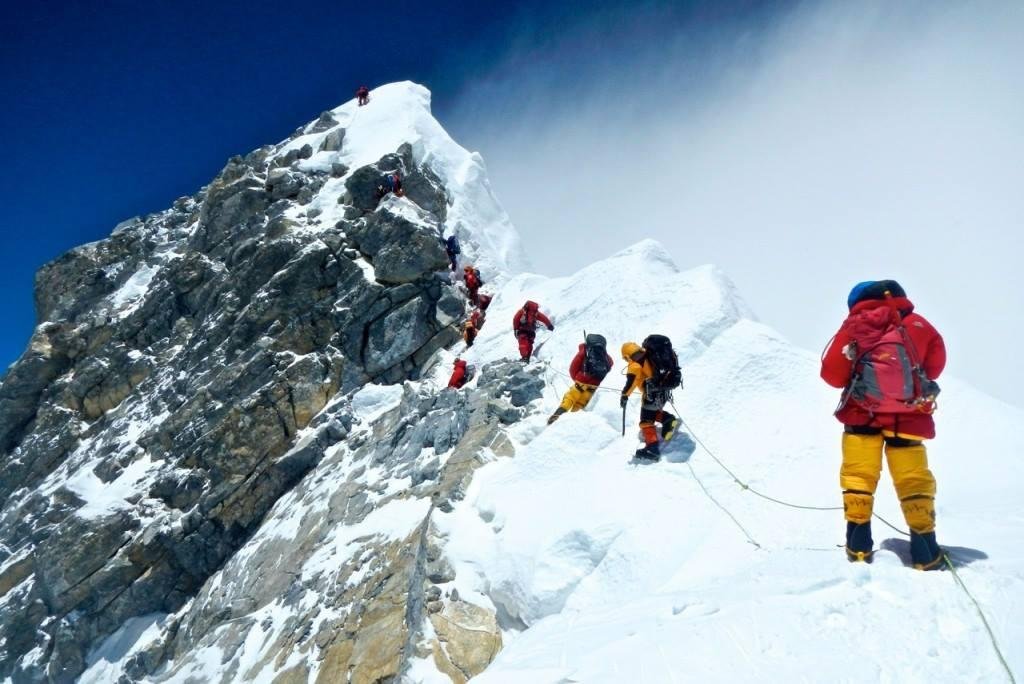
Climbing Everest is not easy. Climbers face:
- Extreme cold temperatures
- Low oxygen levels
- Avalanches and icefalls
- Strong winds and unpredictable weather
Proper training, physical fitness, and experienced guides are essential for a successful Everest expedition.
Tourism and Nepal’s Economy
Mount Everest plays a major role in Nepal’s tourism industry. Thousands of international visitors come every year for trekking, mountaineering, and cultural experiences.
Everest tourism helps create employment opportunities for:
- Guides and porters
- Hotels and tea houses
- Travel agencies
- Local businesses
Tourism in the Everest region contributes significantly to Nepal’s economy and development.
Why You Should Visit Mount Everest
If you love:
- Adventure travel
- Himalayan trekking
- Mountain photography
- Nature and wildlife
- Cultural exploration
then Mount Everest should be on your travel bucket list.
Whether you trek to Everest Base Camp or simply admire the mountain from scenic viewpoints, the experience is truly life-changing.
Conclusion
Mount Everest, or Sagarmatha, is more than just the highest mountain in the world. It represents adventure, courage, culture, and the incredible beauty of Nepal. From thrilling trekking routes and snow-covered peaks to Sherpa traditions and breathtaking landscapes, Everest continues to inspire travelers from all around the world.
Exploring the Everest region is not only a journey into the Himalayas but also a journey into the heart of Nepal’s natural and cultural heritage.