
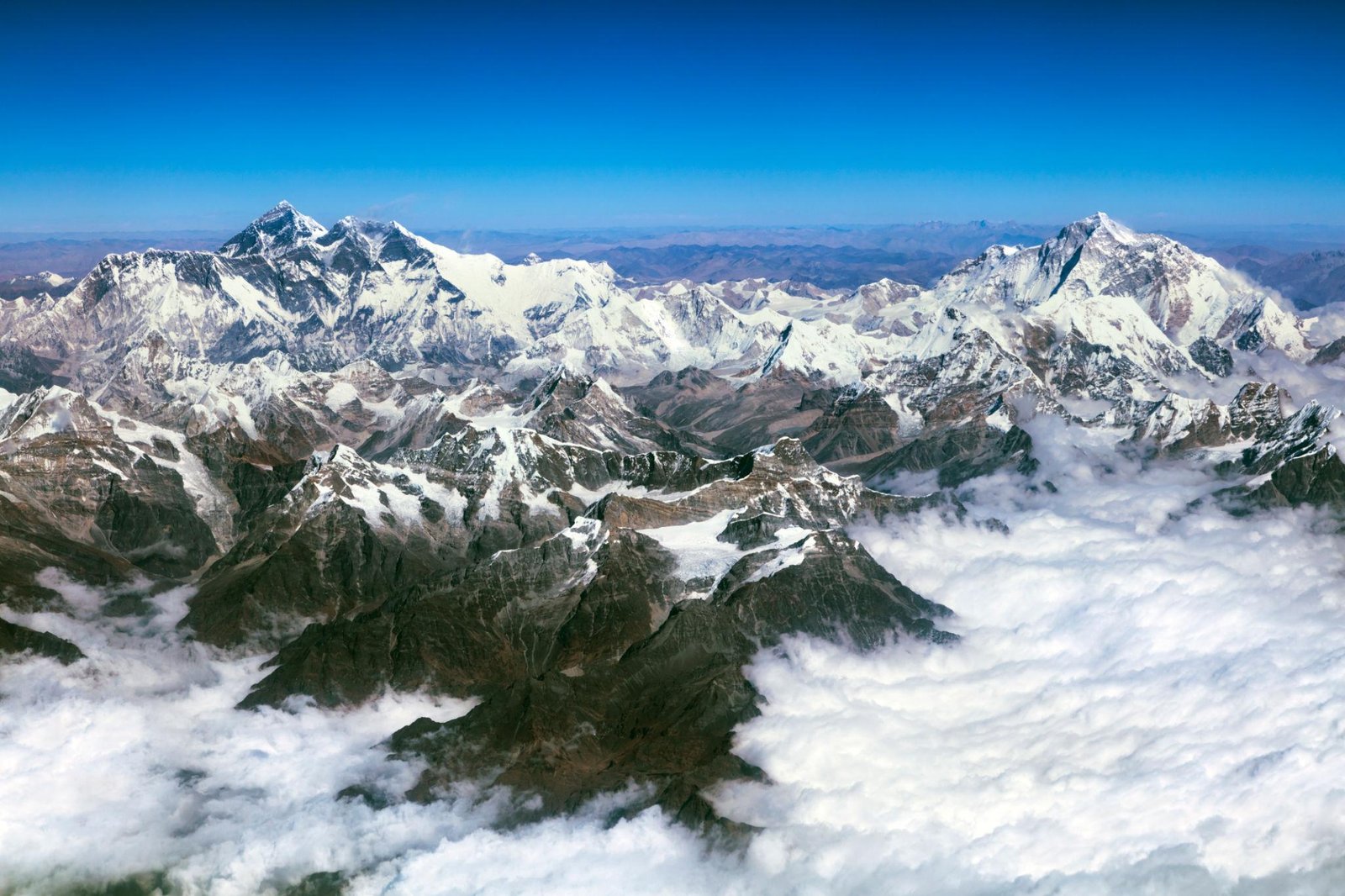

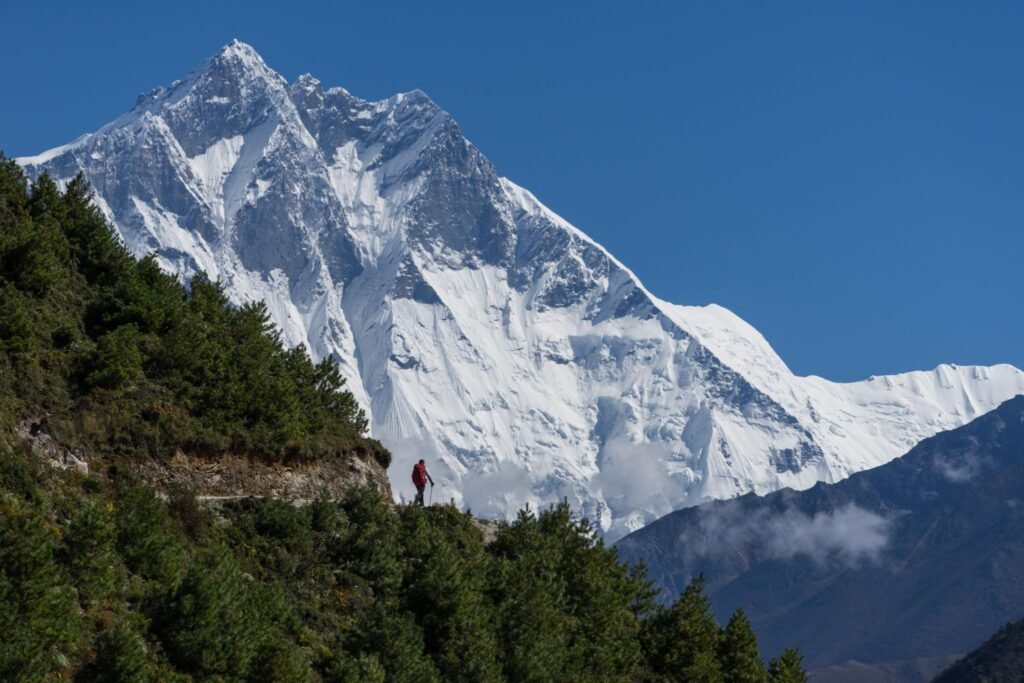
Rising to an incredible height of 8,516 meters (27,940 feet), Lhotse is the fourth-highest mountain in the world. Located in the breathtaking Himalayan range of Nepal, Lhotse stands beside the mighty Mount Everest and shares part of the same climbing route.
Known for its dramatic icy slopes, steep faces, and stunning mountain scenery, Lhotse is one of the most admired peaks in the Himalayas. Although it is often overshadowed by Mount Everest, Lhotse has its own unique beauty, challenges, and mountaineering history that attract adventure seekers from around the world.
Where is Lhotse Located?
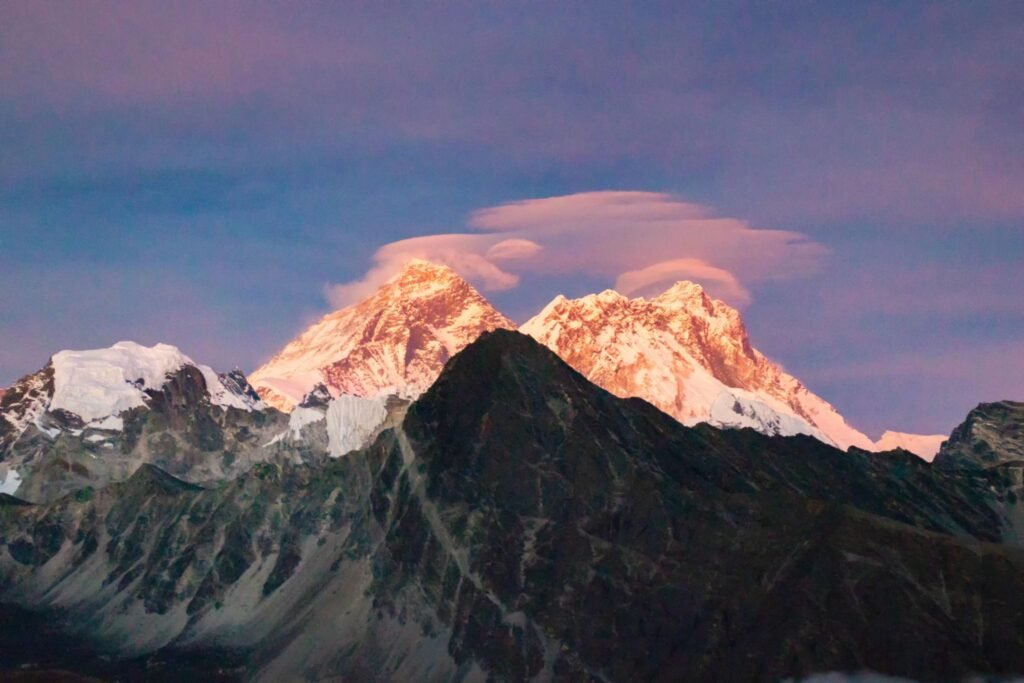
Lhotse lies in the Khumbu region of Nepal, near the border between Nepal and Tibet (China). It is connected to Mount Everest through the South Col, a famous mountain pass used during Everest expeditions.
The mountain is part of the Sagarmatha National Park, a UNESCO World Heritage Site known for its spectacular Himalayan landscapes, glaciers, and rich Sherpa culture.
The name “Lhotse” comes from the Tibetan language and means “South Peak.”
Why is Lhotse Famous?
1. Fourth Highest Mountain in the World
Lhotse is globally recognized as one of the fourteen mountains above 8,000 meters. Its enormous height and stunning appearance make it one of Nepal’s most iconic peaks.
2. Connected to Mount Everest
Lhotse shares much of its climbing route with Everest, especially up to the South Col. Because of this, climbers often see both mountains together during expeditions.
3. Famous South Face
The Lhotse South Face is considered one of the steepest and most challenging mountain walls in the world. It is highly respected in the mountaineering community.
4. Incredible Himalayan Views
The region around Lhotse offers panoramic views of Everest, Nuptse, Ama Dablam, and other famous Himalayan peaks.
History of Lhotse
Lhotse was first successfully climbed on May 18, 1956, by a Swiss team consisting of Ernst Reiss and Fritz Luchsinger.
Since then, Lhotse has become one of the most popular 8,000-meter peaks for experienced mountaineers. However, climbing the mountain remains extremely difficult due to harsh weather, altitude, and steep terrain.
Trekking Around the Lhotse Region
Most trekkers experience Lhotse during the famous Everest Base Camp Trek. Along the trail, visitors can enjoy breathtaking views of the mountain from places like:
- Namche Bazaar
- Tengboche
- Dingboche
- Lobuche
- Gorakshep
Trekkers are rewarded with unforgettable views of snow-covered peaks, glaciers, rivers, and Sherpa villages.
Best Time to Visit Lhotse
Spring (March to May)
- Best season for mountaineering
- Clear skies and warmer temperatures
- Beautiful blooming rhododendron forests
Autumn (September to November)
- Excellent visibility
- Stable weather conditions
- Ideal for trekking and photography
Winter is extremely cold, while monsoon season brings heavy rain and cloudy mountain views.
Challenges of Climbing Lhotse
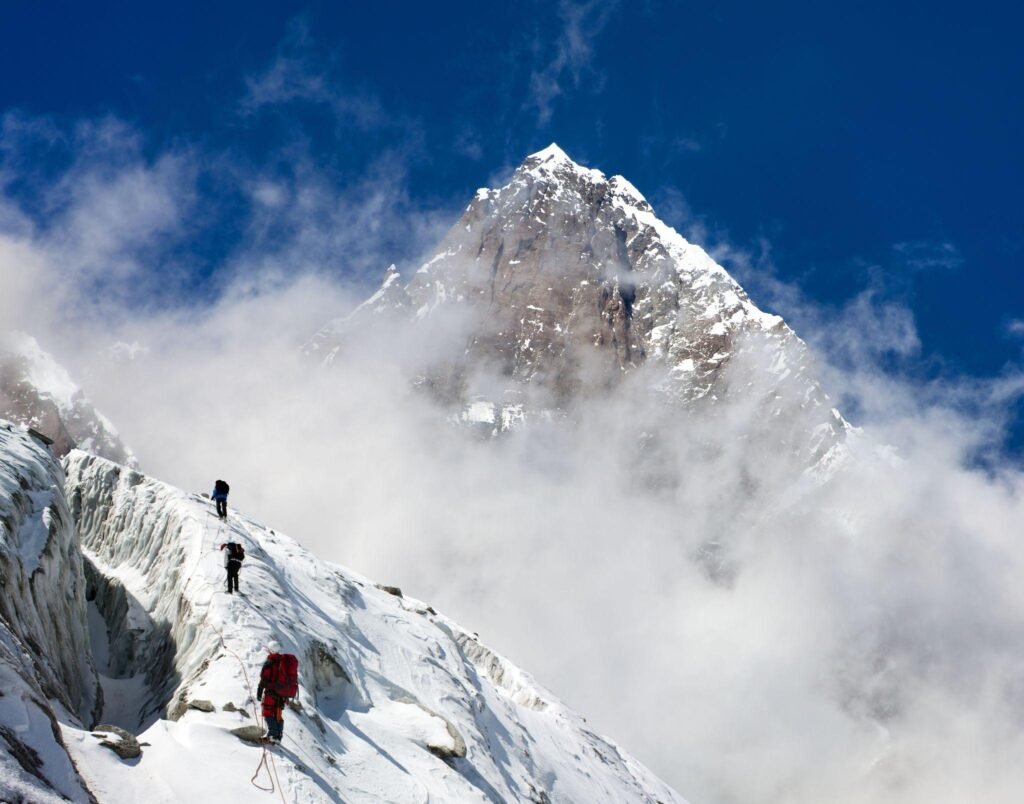
Climbing Lhotse is a serious adventure that requires:
- Excellent physical fitness
- High-altitude climbing experience
- Proper acclimatization
- Professional guides and equipment
Major Challenges Include:
- Thin oxygen levels
- Icefalls and avalanches
- Extreme cold
- Steep icy slopes
- Strong Himalayan winds
Because of these conditions, Lhotse is considered one of the most technically challenging high mountains in Nepal.
Wildlife and Nature
The Lhotse region lies inside Sagarmatha National Park, home to beautiful Himalayan wildlife and natural scenery.
Wildlife Found in the Region
- Snow Leopard
- Himalayan Tahr
- Musk Deer
- Himalayan Monal
- Red Panda
Visitors also enjoy forests, glaciers, rivers, waterfalls, and alpine landscapes throughout the trek.
Sherpa Culture in the Lhotse Region
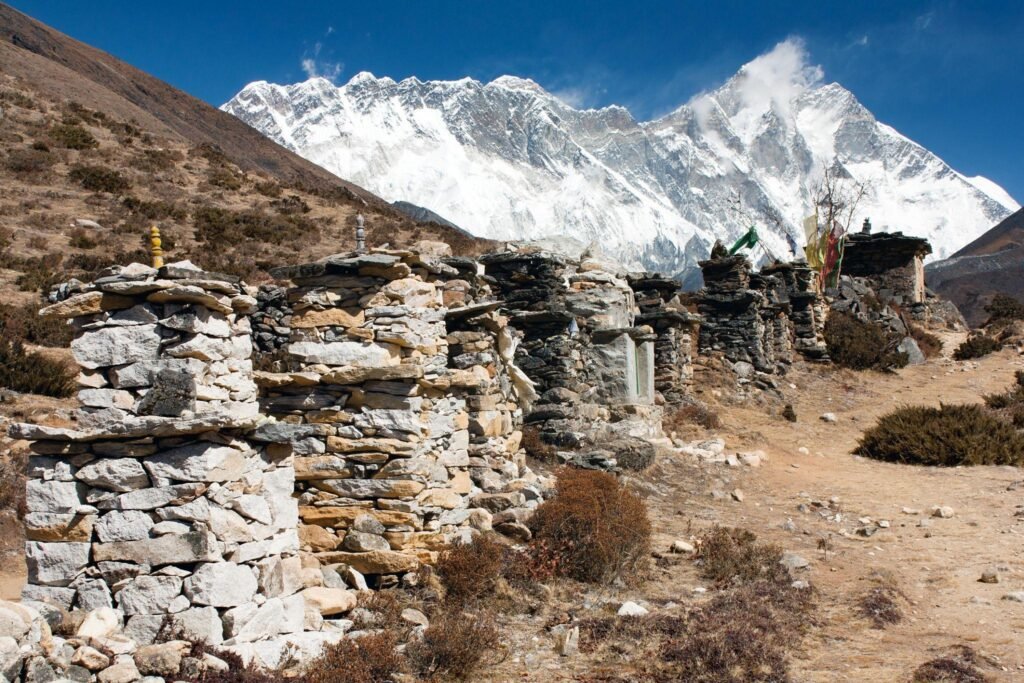
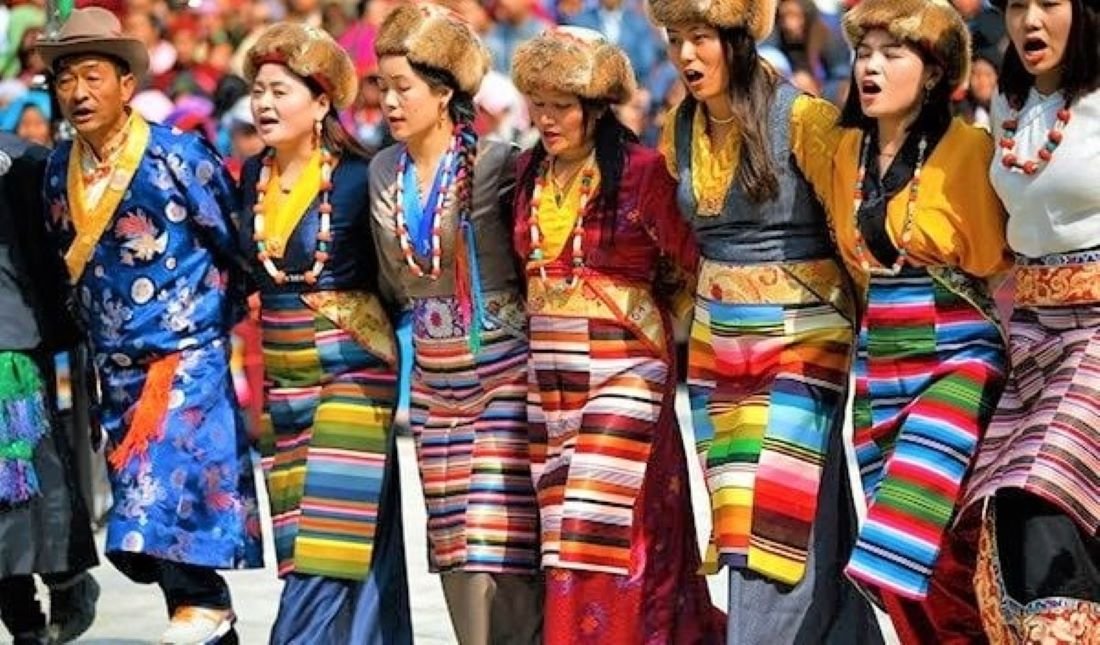
The Khumbu region is home to the Sherpa people, known worldwide for their mountaineering skills and hospitality.
Travelers can explore:
- Ancient Buddhist monasteries
- Traditional Sherpa villages
- Prayer flags and chortens
- Himalayan spiritual culture
The rich traditions and warm local hospitality make the journey even more memorable.
Tourism and Nepal’s Economy
Lhotse and the Everest region play a major role in Nepal’s tourism industry. Thousands of trekkers and climbers visit every year, helping support:
- Local tea houses and lodges
- Trekking guides and porters
- Travel agencies
- Transportation services
- Small local businesses
Mountain tourism creates jobs and contributes greatly to Nepal’s economy and development.
Why You Should Visit Lhotse
Lhotse is perfect for travelers who love:
- Himalayan adventures
- Mountain photography
- Trekking in Nepal
- Nature and wildlife
- Cultural exploration
Whether you are an experienced climber or a trekking enthusiast, the Lhotse region offers a once-in-a-lifetime Himalayan experience.
Conclusion
Lhotse is one of Nepal’s most magnificent mountains and a true jewel of the Himalayas. Standing beside Mount Everest, this incredible peak offers stunning scenery, thrilling adventures, rich Sherpa culture, and unforgettable trekking experiences.
From its steep icy slopes to the peaceful beauty of the Khumbu region, Lhotse continues to inspire adventurers and travelers from around the world. Exploring this majestic mountain is not only a journey through nature but also a deep connection with Nepal’s mountain heritage and Himalayan spirit.