
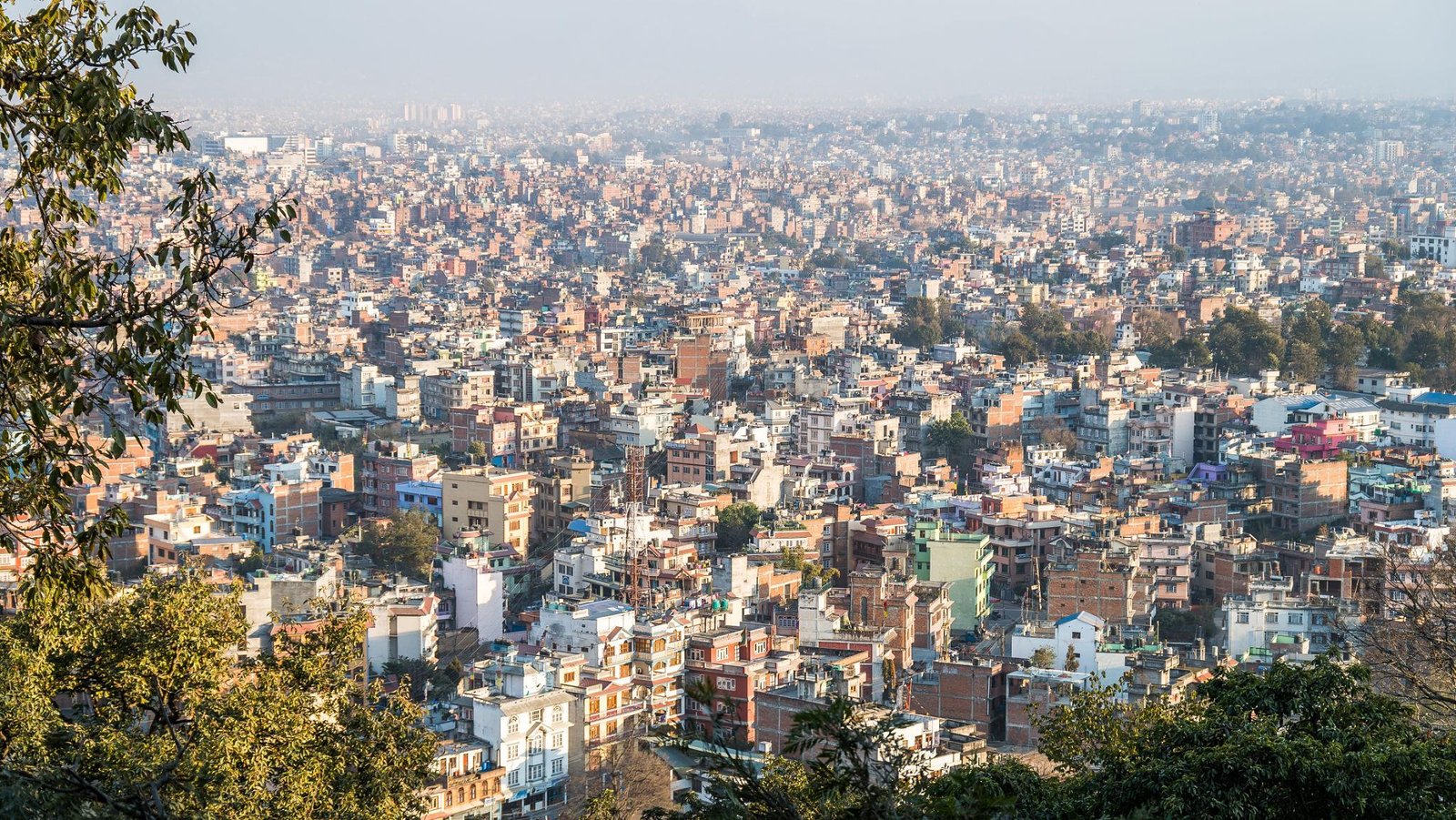

Kathmandu is the capital city and the cultural heart of Nepal. The city is filled with ancient temples, historical palaces, traditional markets, and UNESCO World Heritage Sites. Travelers from around the world visit Kathmandu to experience Nepalese culture, food, and spirituality.
Key facts
- Country: Nepal
- Population: Around 1.4 million (2021 estimate)
- Elevation: Approximately 1,400 meters (4,600 ft) above sea level
- Founded: Traditionally dated to the 10th century CE
- UNESCO Sites: Kathmandu Durbar Square, Swayambhunath, Pashupatinath Temple, Boudhanath Stupa
Geography and Setting
Kathmandu lies in a bowl-shaped valley surrounded by four major hills—Shivapuri, Phulchoki, Nagarjun, and Chandragiri. The Bagmati River runs through the city, a waterway that holds spiritual significance in Hindu and Buddhist traditions. Its location at a crossroads of ancient trade routes shaped its early prosperity and cultural diversity.
History and Cultural Heritage
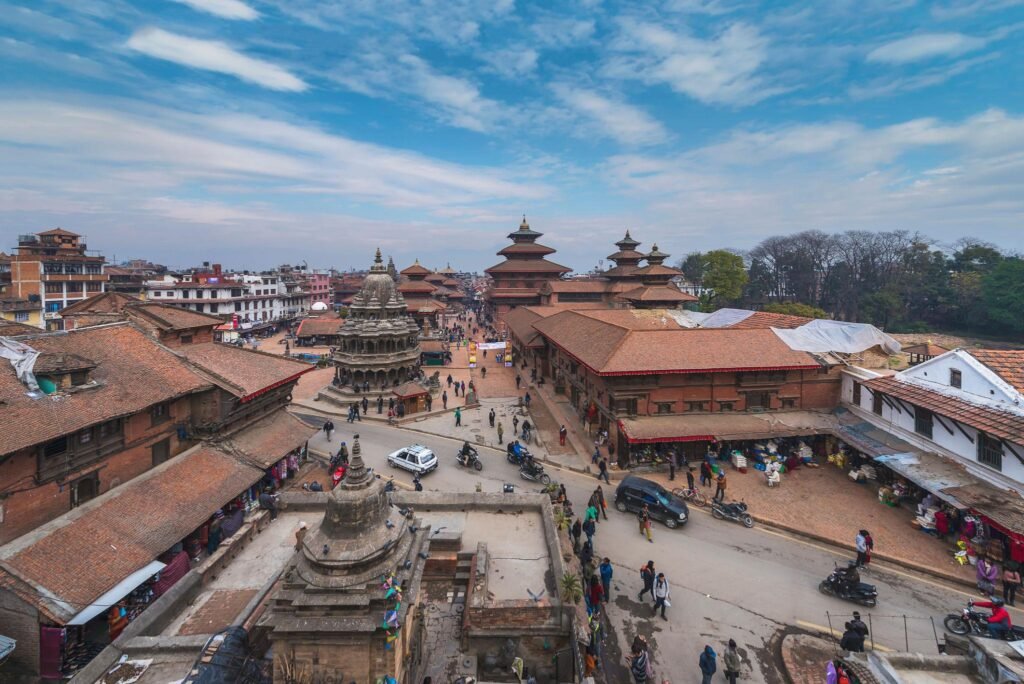
The city has been a center of Nepalese civilization for centuries, flourishing under the Malla kings (12th–18th centuries) who built temples, palaces, and courtyards that still define its architectural landscape. Its name derives from the Kasthamandap temple (“Wooden Pavilion”) built from a single tree, which stood in Durbar Square. Despite damage from the 2015 earthquake, Kathmandu’s heritage continues to attract restoration and conservation efforts.
Economy and Society
Kathmandu dominates Nepal’s economy through commerce, banking, education, and tourism. The city hosts government institutions, major businesses, and a growing technology sector. Rapid urbanization has brought both opportunity and challenges, including traffic congestion and air pollution.
Tourism and Landmarks
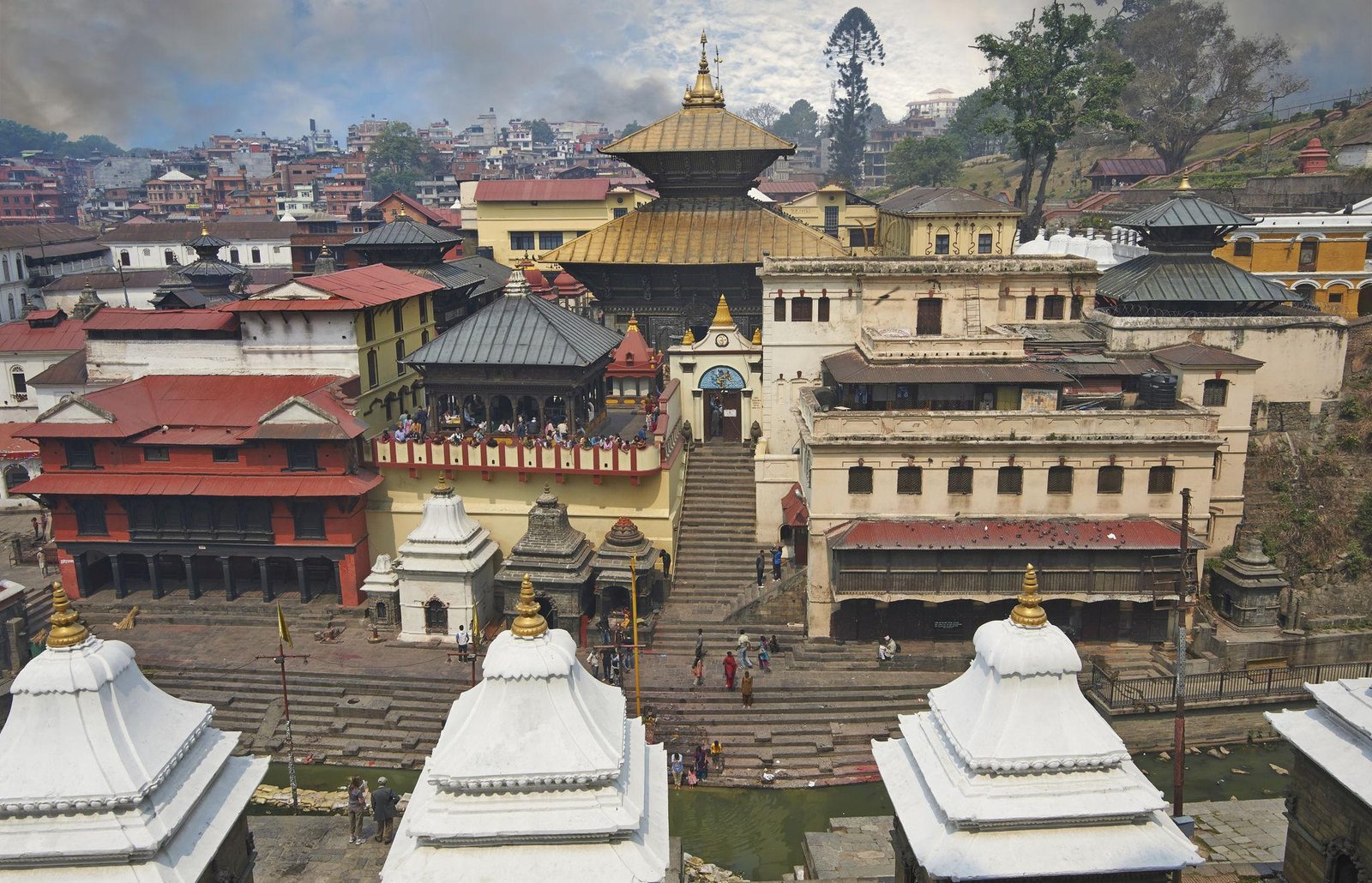
Cultural landmarks such as Swayambhunath Stupa, Pashupatinath Temple, Boudhanath Stupa, and Kathmandu Durbar Square make Kathmandu a global heritage hub. Thamel, its lively tourist district, offers trekking outfitters, cafés, and cultural venues, serving as the starting point for journeys to the Himalayas, including Mount Everest.
Why These Towns Are Important for Nepal Tourism
These towns are not only beautiful travel destinations but also major contributors to Nepal’s tourism industry and economic growth. Tourism creates jobs, supports local businesses, preserves culture, and promotes Nepal globally.
Exploring these towns helps travelers discover:
- Rich cultural heritage
- Himalayan adventure
- Religious harmony
- Natural beauty
- Local traditions
Nepal’s towns represent the true spirit of the country.
Conclusion
Nepal is a beautiful country full of amazing towns, rich culture, peaceful nature, and exciting adventures. Every town in Nepal has something special to offer, from mountain views and trekking routes to temples, lakes, wildlife, and local traditions. Exploring these popular towns helps travelers experience the true beauty and culture of Nepal.
Whether you visit Kathmandu for history, Pokhara for adventure, or Lumbini for peace and spirituality, each place creates unforgettable memories. Nepal warmly welcomes visitors from around the world and continues to be one of the best destinations for travel, culture, and adventure.