

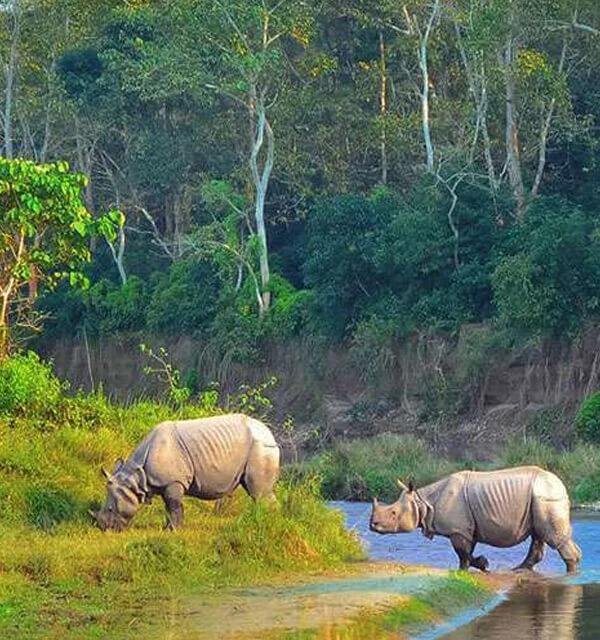

Chitwan National Park is Nepal’s first national park, established in 1973 and recognized as a UNESCO World Heritage Site in 1984. Located in the subtropical lowlands of south-central Nepal, it protects a diverse range of ecosystems and species, including endangered wildlife such as the one-horned rhinoceros and Bengal tiger.
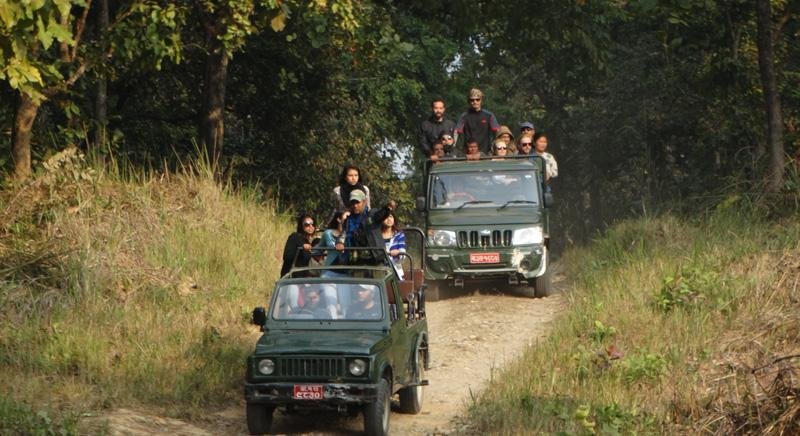
One of the most popular activities in Chitwan is the jeep safari, where travelers can explore deep jungle areas and spot wildlife in their natural habitat. Canoe rides along the Rapti River are also very popular and offer opportunities to see crocodiles, birds, and beautiful river scenery. Bird watching is another major attraction because the region is home to many colorful and rare bird species.
Besides wildlife adventures, Chitwan is also rich in culture. The local Tharu community is known for its unique traditions, dances, food, and lifestyle. Visitors can enjoy Tharu cultural programs, traditional stick dances, and local village tours to learn more about the culture and history of the region.
Chitwan offers a perfect combination of adventure, nature, and relaxation. Unlike the cold mountain regions of Nepal, Chitwan has a warm climate and peaceful natural environment, making it suitable for travelers of all ages. Luxury resorts, eco-lodges, and riverside hotels provide comfortable stays for visitors looking to enjoy the beauty of nature.
Key facts
- Location: Chitwan District, Bagmati Province, Nepal
- Area: Approximately 952.6 square kilometers
- Established: 1973; UNESCO status in 1984
- Ecosystem type: Subtropical lowland (Terai) forests and grasslands
- Notable species: Bengal tiger, one-horned rhinoceros, gharial, Asian elephant
Geography and Ecology
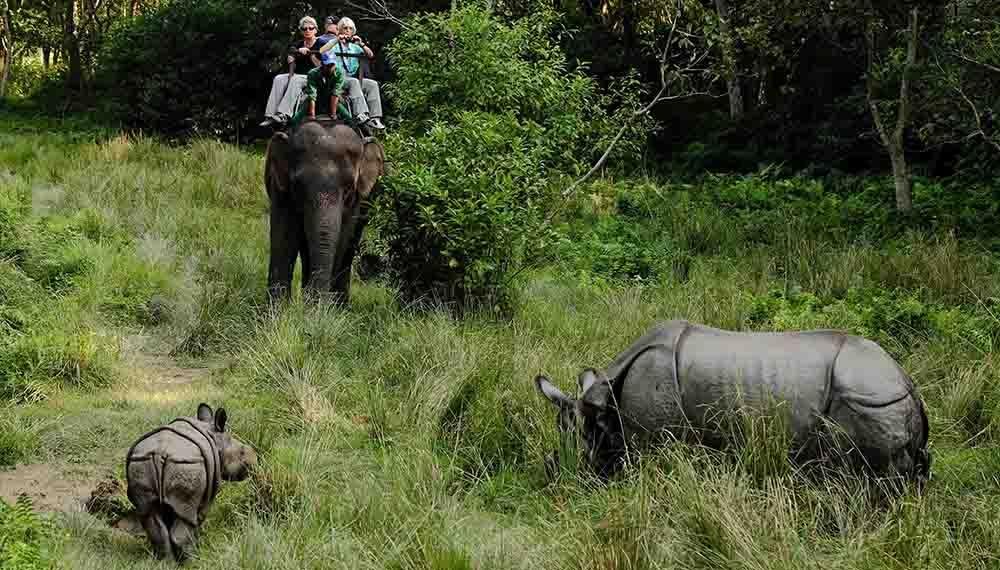
Chitwan lies in the Terai region, where the Himalayas meet the plains of northern India. The park features riverine forests, grasslands, and sal (Shorea robusta) woodlands, nourished by the Rapti, Reu, and Narayani rivers. Its diverse habitats support more than 700 wildlife species, including mammals, birds, reptiles, and amphibians.
Wildlife Conservation
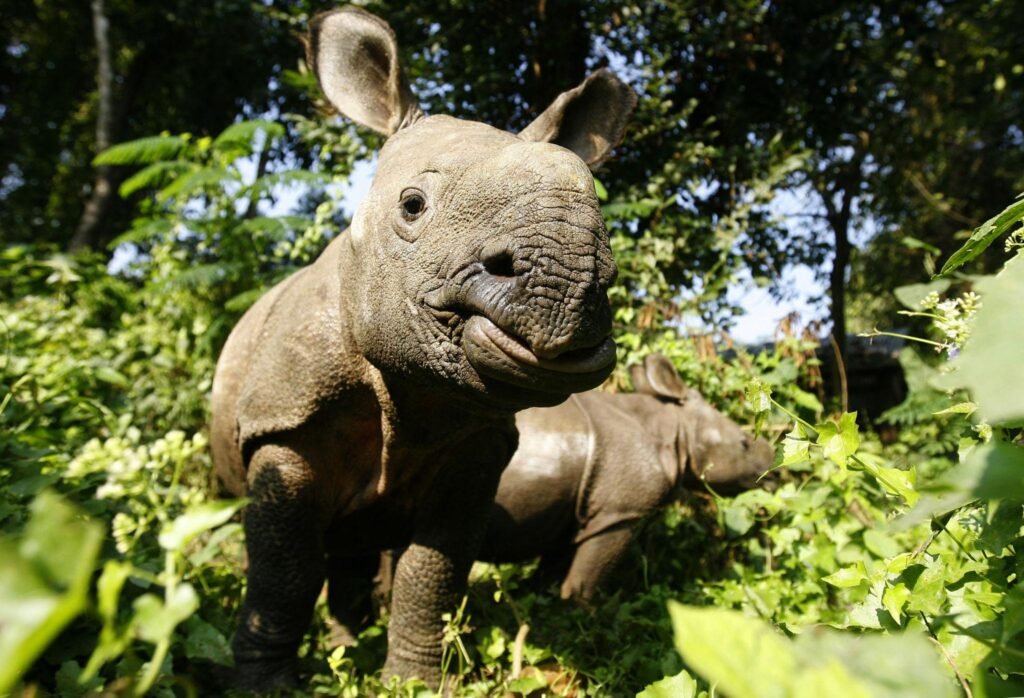
The park is a cornerstone of Nepal’s conservation success. Once heavily poached, its populations of the greater one-horned rhinoceros and Bengal tiger have recovered through anti-poaching efforts, community engagement, and strict protection measures. The park also shelters endangered species like the gharial crocodile and the smooth-coated otter.
Human and Cultural Connection
Indigenous Tharu communities have lived around Chitwan for centuries, maintaining a deep relationship with the forest environment. Community-based tourism and buffer zone programs promote both wildlife protection and local livelihoods, making Chitwan a model for integrated conservation.
Tourism and Access


Chitwan is one of Nepal’s most visited wildlife destinations. Activities include jeep safaris, canoe rides, birdwatching, and jungle walks. Entry points at Sauraha and Meghauli provide access to lodges and visitor centers. The park’s accessibility and biodiversity make it a flagship destination for eco-tourism in South Asia.
Conclusion
Chitwan is one of the best destinations in Nepal for wildlife, nature, and adventure tourism. Famous for the beautiful Chitwan National Park, the region offers exciting jungle safaris, rare wildlife experiences, and peaceful natural surroundings. Visitors can explore forests, rivers, and grasslands while seeing animals like the one-horned rhinoceros, Bengal tiger, and crocodiles in their natural habitat.
Chitwan is not only about wildlife adventures but also about cultural experiences. Travelers can learn about the traditions and lifestyle of the local Tharu community, enjoy cultural dances, and experience warm Nepalese hospitality. The peaceful environment, rich biodiversity, and exciting outdoor activities make Chitwan a perfect destination for both relaxation and adventure.
Overall, Chitwan beautifully represents the natural beauty and wildlife richness of Nepal. It is a must-visit place for travelers who want to experience jungle adventure, local culture, and unforgettable moments in nature.