

Explore the Beautiful Himalayan Lakes
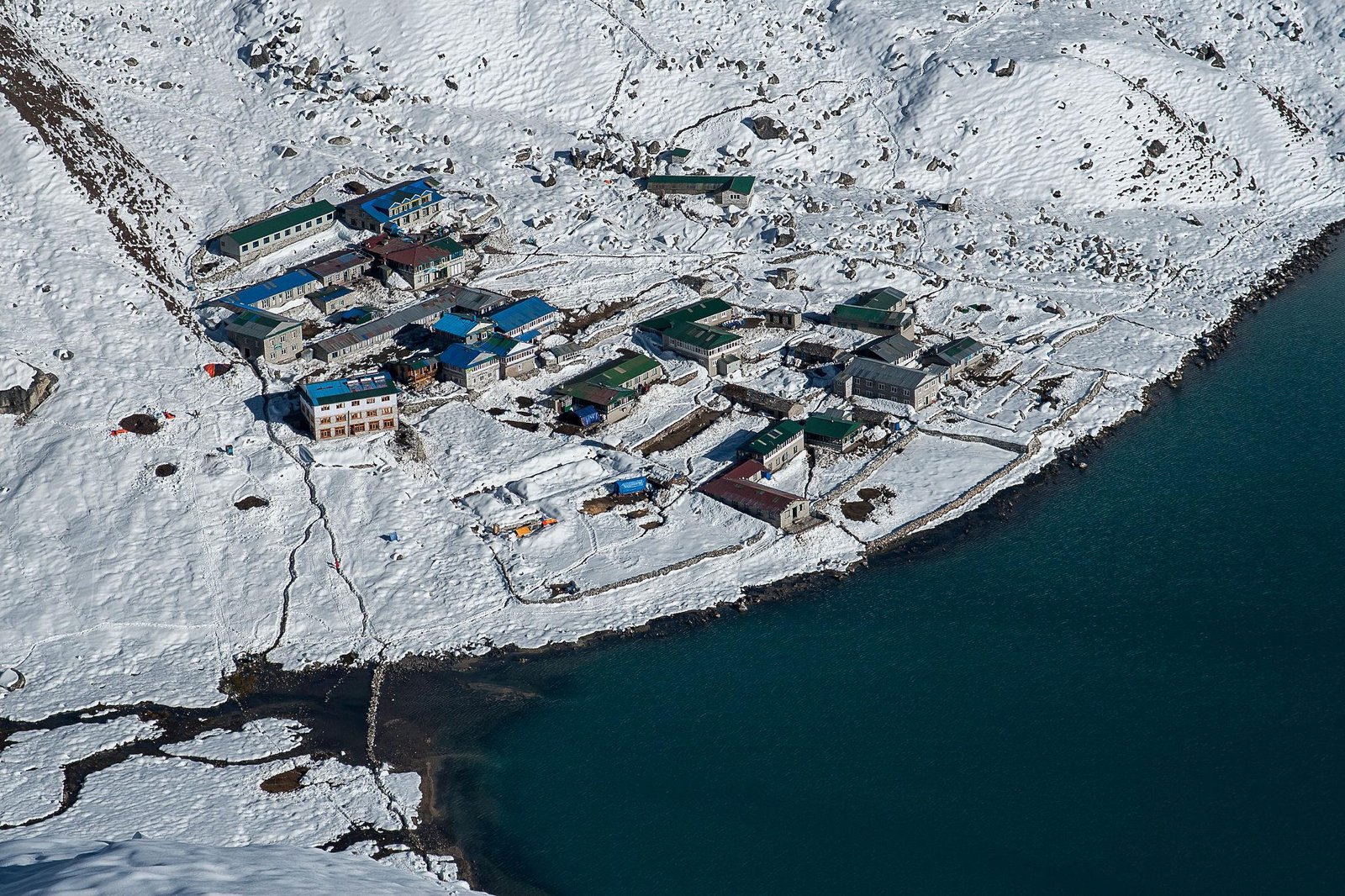
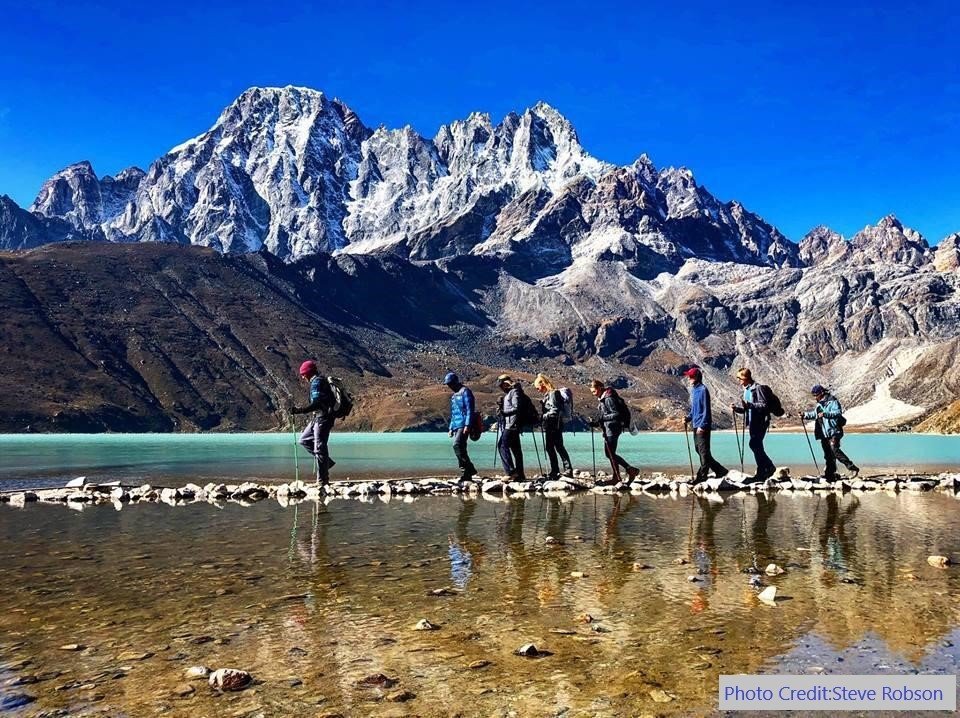
The Gokyo Lakes are a group of high-altitude glacial lakes located in the Solukhumbu District of northeastern Nepal, within Sagarmatha National Park. They are among the world’s highest freshwater lake systems, revered for their pristine turquoise waters and sacred significance in both Hindu and Buddhist traditions. The area forms part of a key trekking route leading toward Mount Everest.
The Gokyo Lakes are a group of high-altitude freshwater lakes situated in the Sagarmatha National Park, a UNESCO World Heritage Site. These lakes are considered sacred by both Hindus and Buddhists, adding cultural and spiritual importance to the trek. Surrounded by snow-covered mountains and glaciers, the lakes create one of the most stunning natural scenes in Nepal.
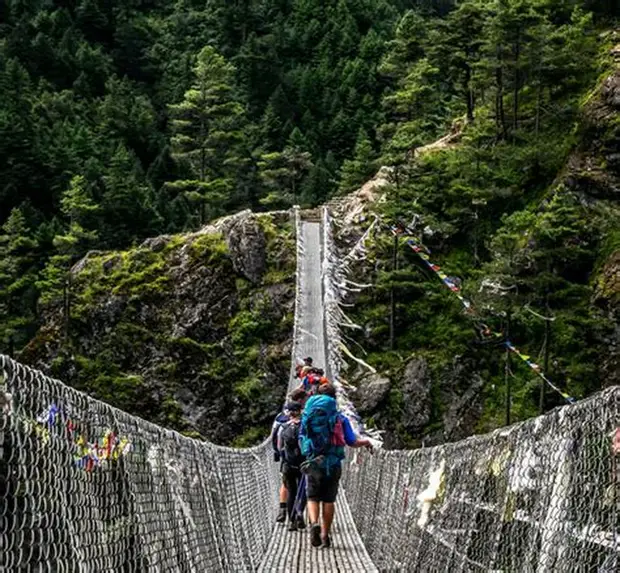
The trek usually begins with a flight to Lukla, followed by trekking through beautiful Sherpa villages such as Namche Bazaar, Dole, Machhermo, and Gokyo village. Along the route, trekkers can experience traditional Sherpa culture, Buddhist monasteries, prayer flags, and local mountain lifestyles. The warm hospitality of the Sherpa people makes the journey even more memorable and meaningful.
Key facts
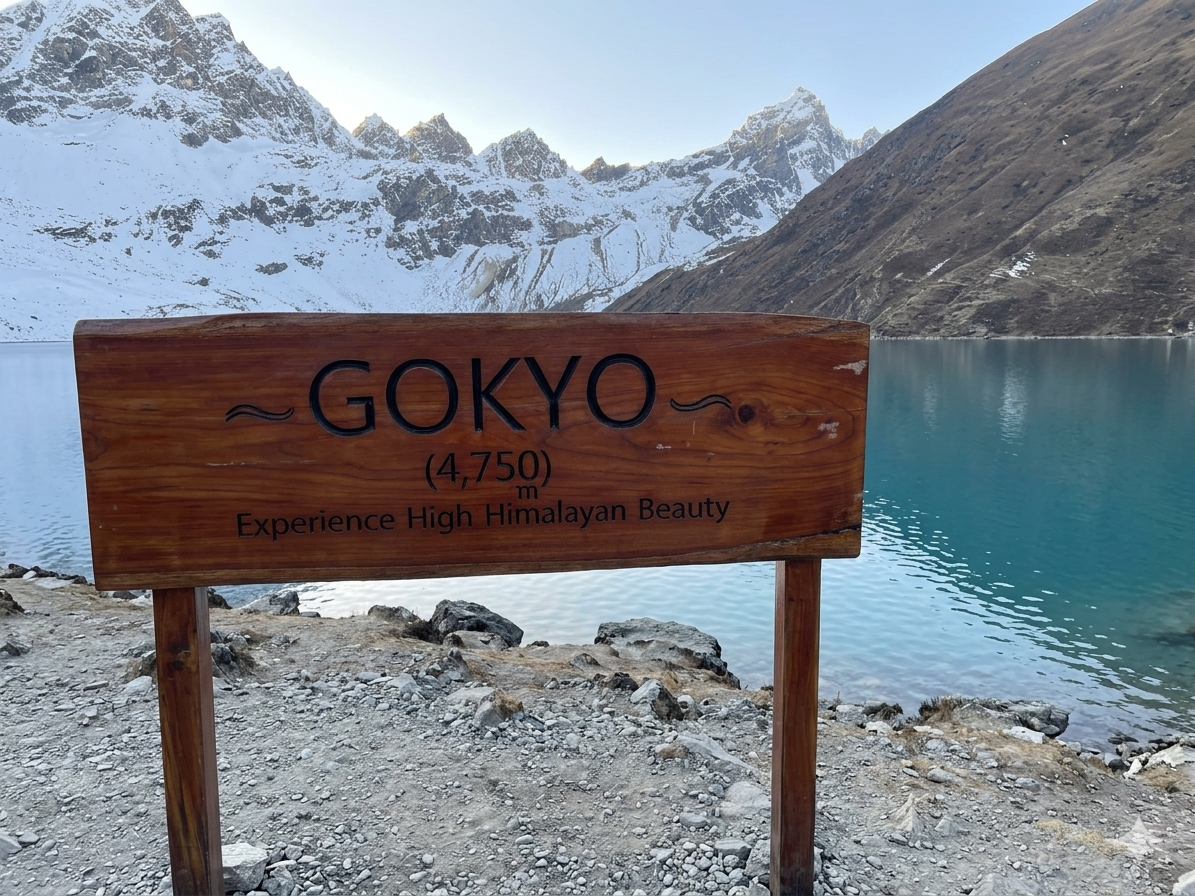
- Elevation: 4,700–5,000 meters (15,400–16,400 ft) above sea level
- Number of main lakes: Six
- Largest lake: Thonak Cho
- UNESCO status: Within Sagarmatha National Park (World Heritage Site)
- Religious significance: Sacred to Hindus and Buddhists
Highlights of Gokyo Lakes Trek
- Beautiful blue Himalayan lakes
- Peaceful trekking experience
- Amazing mountain panoramas
- Unique landscapes and glaciers
- Less crowded compared to EBC
Geography and environment
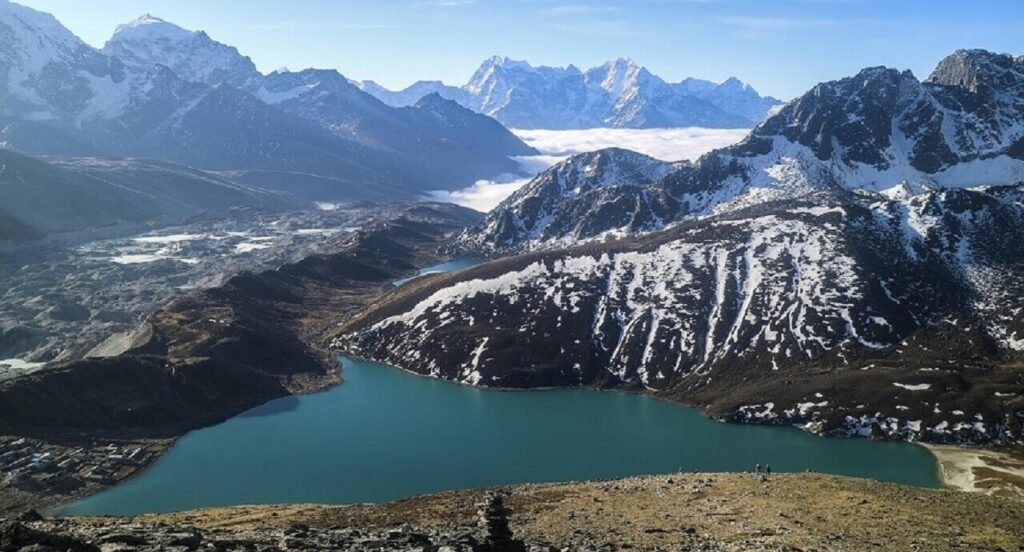
The lakes lie in the Gokyo Valley, fed primarily by glacier meltwater from Ngozumpa Glacier, the largest glacier in Nepal. The basin connects to the Dudh Koshi river system, contributing to the headwaters of the Ganges. Surrounding terrain includes snow-clad peaks and moraines, providing dramatic alpine scenery and a fragile ecosystem sensitive to climate variations.
Cultural and religious importance
During the Janai Purnima festival, Hindu and Buddhist pilgrims visit Gokyo to offer prayers to deities associated with the lakes. Local belief holds the waters as the dwelling of the snake god Naga. This reverence has contributed to the area’s conservation ethos, blending spiritual value with ecological stewardship.
Trekking and tourism
Gokyo Lakes are a highlight of the Gokyo Valley trek, an alternative to the traditional Everest Base Camp route. Trekkers often climb Gokyo Ri (5,357 m) for panoramic views of Everest, Lhotse, Makalu, and Cho Oyu. The region’s popularity supports small lodges and guides, though tourism is managed carefully to preserve its delicate environment.
Conservation and climate concerns
The lake system is vulnerable to glacial retreat and potential outburst floods linked to climate change. Conservation efforts focus on monitoring hydrology, managing waste, and maintaining sustainable trekking practices within the protected park area.
Another unique feature of the Gokyo trek is the Ngozumpa Glacier, the largest glacier in Nepal. Trekkers walk near this massive glacier while exploring the region, which adds excitement and adventure to the journey. The combination of glaciers, lakes, rivers, and mountain peaks makes the Gokyo region one of the most visually stunning places in the Himalayas.
The Gokyo Lakes trek is considered moderately difficult. Although it involves high-altitude trekking, the trail is less crowded and more relaxed compared to other popular trekking routes in Nepal. Trekkers need proper preparation, warm clothing, and physical fitness to complete the journey comfortably. Walking slowly, staying hydrated, and acclimatizing properly are important to avoid altitude sickness.
The natural beauty of the Gokyo region changes throughout the trek. Lower areas are filled with pine and rhododendron forests, while higher regions become rocky and snowy. During spring, colorful rhododendron flowers bloom along the trail, creating beautiful landscapes. In autumn, the skies remain clear and provide excellent mountain visibility, making it one of the best seasons for trekking.
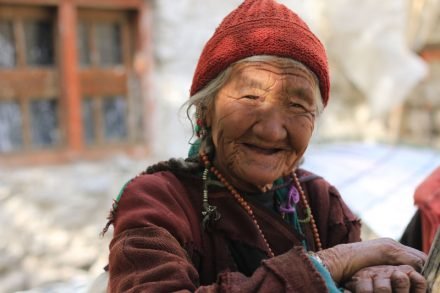
The trek also provides opportunities to experience the culture and traditions of the Sherpa community. Sherpas are known worldwide for their mountaineering skills, hospitality, and deep connection with the mountains. Trekkers can visit monasteries, interact with local families, and learn about Buddhist traditions during the journey. These cultural experiences make the trek more than just a mountain adventure.
The best seasons for the Gokyo Lakes trek are spring (March to May) and autumn (September to November). During these seasons, the weather is stable, the skies are clear, and the mountain views are spectacular. Winter trekking is also possible for experienced trekkers, but temperatures can become extremely cold in higher areas.
Tourism in the Gokyo region plays an important role in supporting local communities and Nepal’s economy. Trekking creates employment opportunities for guides, porters, tea house owners, and transportation services. Income from tourism helps improve education, infrastructure, and living conditions in remote Himalayan villages. By visiting the region, travelers directly support local families and contribute to the preservation of culture and nature.
conclusion
The Gokyo Lakes trek is one of Nepal’s most peaceful and breathtaking Himalayan adventures. With its turquoise lakes, panoramic mountain views, Sherpa culture, glaciers, and quiet trekking trails, the journey offers a perfect combination of natural beauty and cultural exploration. For travelers seeking a unique and unforgettable trekking experience in Nepal, the Gokyo Lakes trek is truly a hidden paradise in the Himalayas.