

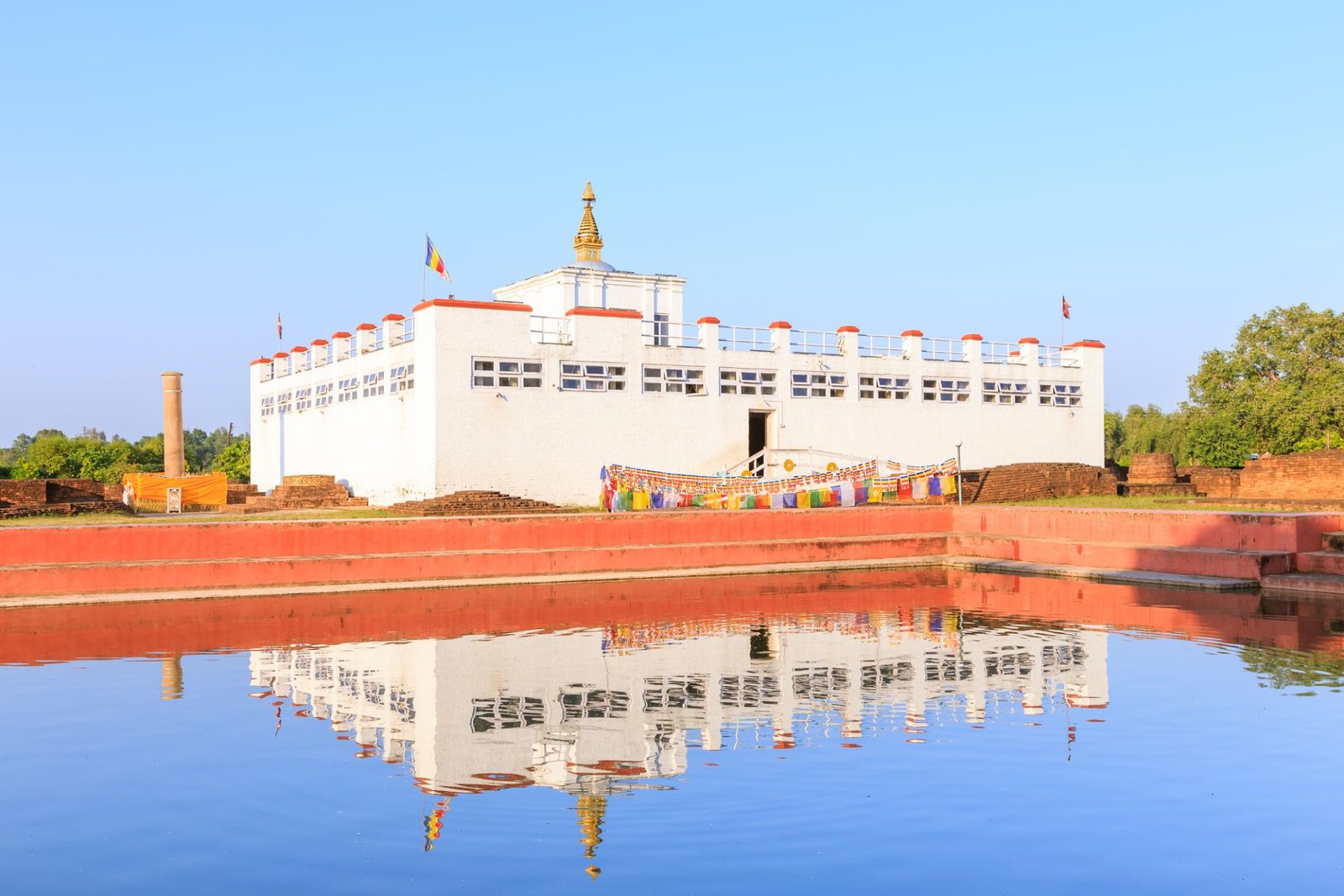

Lumbini is one of the most important Buddhist pilgrimage sites in the world because it is the birthplace of Lord Buddha. Located in southern Nepal, Lumbini is visited by Buddhists and travelers from all around the world.
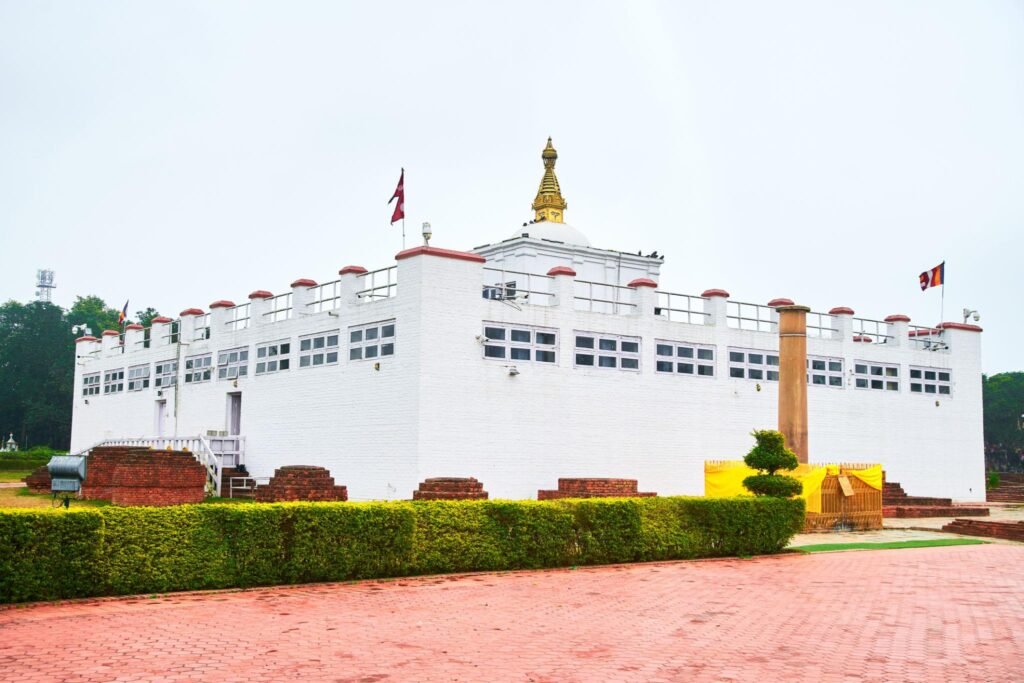
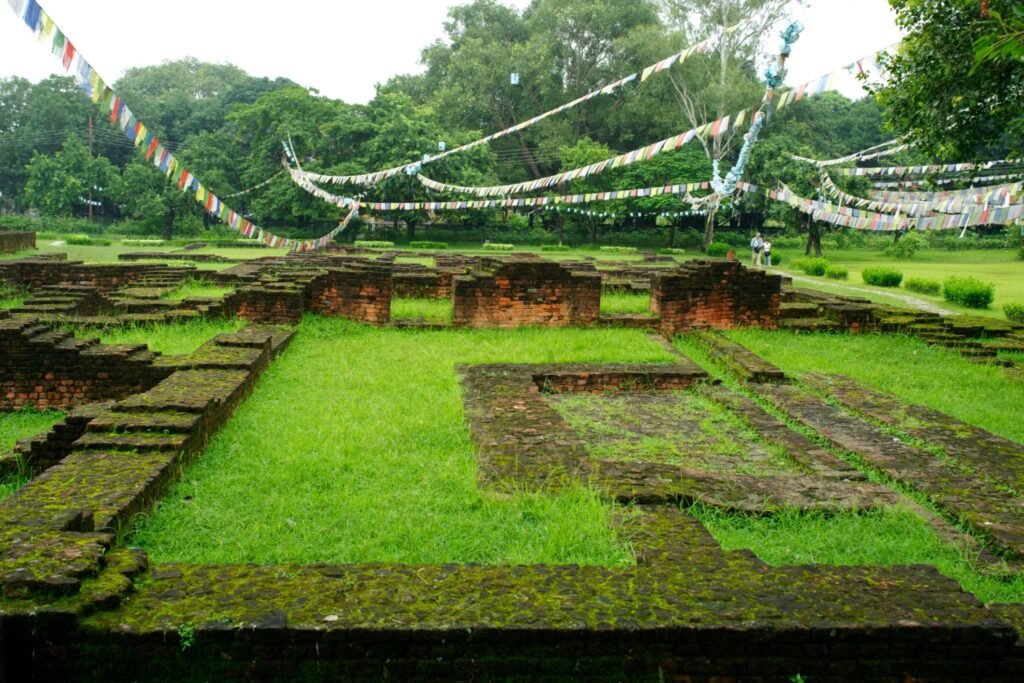
The main attraction in Lumbini is the Maya Devi Temple, where Queen Maya Devi gave birth to Siddhartha Gautama, who later became Buddha. The area also contains ancient ruins, monasteries built by different countries, meditation centers, and the sacred Bodhi tree.
Lumbini represents peace, spirituality, and cultural heritage. The peaceful environment and historical importance make it one of the most visited religious destinations in Nepal. Tourism in Lumbini also supports local businesses, hotels, transportation, and community development.
Key facts
- Location: Rupandehi District, Lumbini Province, Nepal
- UNESCO inscription: 1997
- Primary shrine: Maya Devi Temple
- Approximate founding era: 6th–4th century BCE
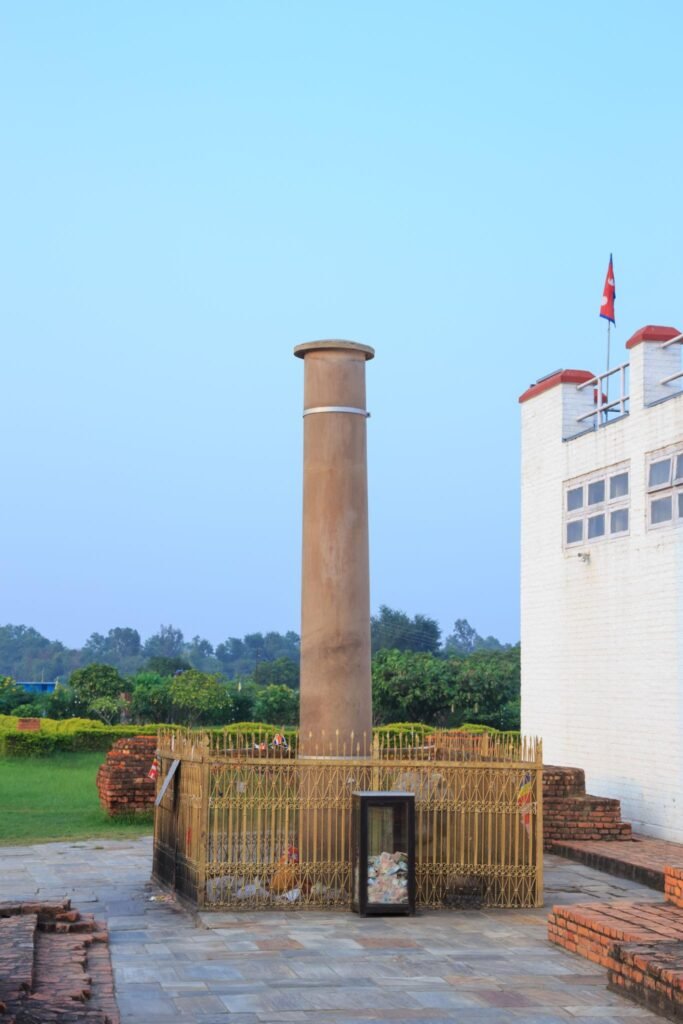
- Major feature: Ashokan Pillar (3rd century BCE)
Historical background
According to Buddhist tradition, Queen Maya Devi gave birth to Siddhartha Gautama in Lumbini around the 6th century BCE. The Mauryan Emperor Ashoka visited the site in the 3rd century BCE, commemorating it with an inscribed stone pillar. Archaeological remains and inscriptions confirm Lumbini’s ancient religious importance.
Sacred architecture and monuments
The core of Lumbini’s Sacred Garden includes the Maya Devi Temple, which marks the exact spot of the Buddha’s birth, surrounded by the remains of monastic ruins. The Ashokan Pillar bears an inscription identifying the site as the Buddha’s birthplace. Other monuments include the Puskarini (sacred pond) and monastic zones developed under UNESCO’s master plan.
Modern development and pilgrimage
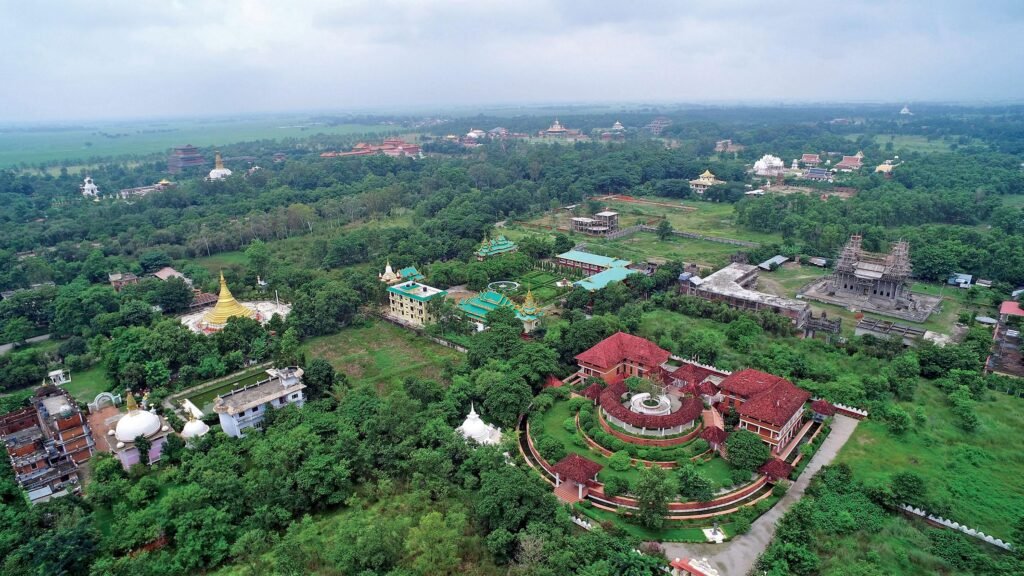
Since its designation as a World Heritage Site, Lumbini has undergone organized preservation and international monastic development. Numerous countries, including Thailand, Japan, and Germany, have built monasteries representing different Buddhist traditions. The area serves both as a religious pilgrimage destination and as a symbol of global peace and interfaith dialogue.
Cultural and spiritual significance
Lumbini is one of Buddhism’s four primary pilgrimage sites, alongside Bodh Gaya, Sarnath, and Kushinagar. It stands as a living testament to the origins of Buddhist philosophy and remains a focal point for meditation, scholarship, and cross-cultural exchange rooted in the quest for enlightenment and compassion.
Importance of Religious Tourism in Nepal
Religious tourism plays a major role in Nepal’s economy and cultural preservation. Pilgrims and tourists visiting temples, monasteries, and sacred sites help support local businesses, transportation, hotels, guides, and handicraft industries.
Religious sites also help preserve Nepal’s ancient traditions, architecture, and spiritual heritage. Many local communities depend on tourism for income and development.
Nepal’s peaceful spiritual atmosphere attracts people seeking meditation, yoga, and cultural experiences. This makes Nepal one of the world’s most unique destinations for religious and spiritual tourism.
Conclusion
Nepal is a country filled with spiritual beauty, ancient traditions, and sacred places. From the holy Pashupatinath Temple to the peaceful birthplace of Buddha in Lumbini, every religious site in Nepal tells a story of faith, culture, and history.
These sacred places not only inspire spirituality but also help promote tourism, protect cultural heritage, and support local communities. Whether visitors come for prayer, meditation, history, or exploration, Nepal offers a unique spiritual journey that remains unforgettable for every traveler.