


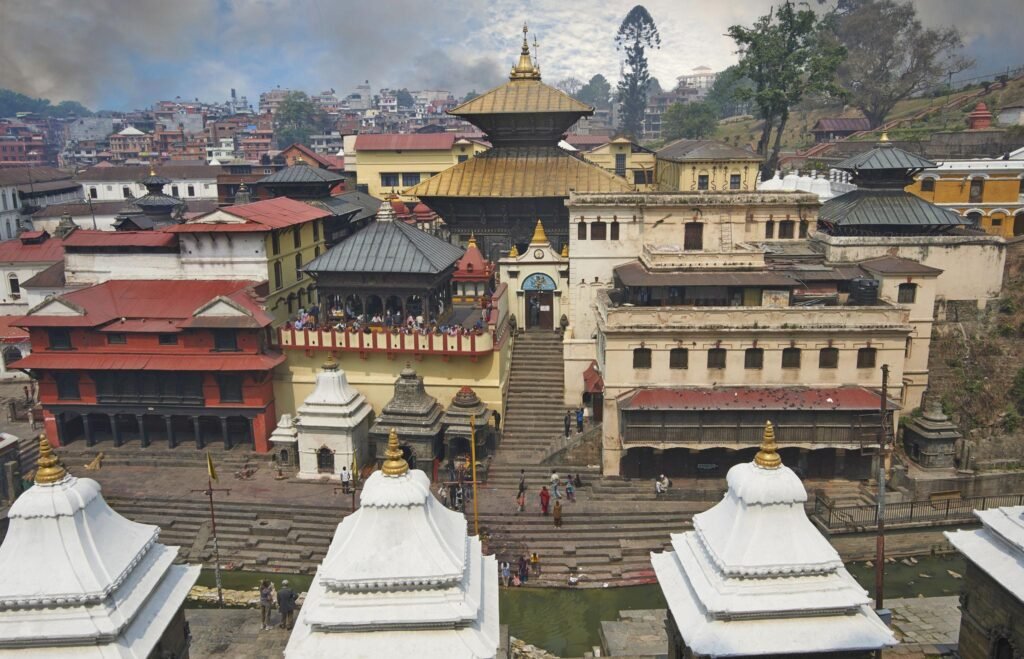
Pashupatinath Temple is one of the most famous and sacred Hindu temples in the world. Located beside the holy Bagmati River in Kathmandu, this temple is dedicated to Lord Shiva and is considered one of the most important pilgrimage destinations for Hindus.
The temple is known for its beautiful pagoda-style architecture, ancient sculptures, and spiritual environment. Thousands of devotees visit the temple daily to pray and perform religious rituals. During the festival of Maha Shivaratri, millions of pilgrims from Nepal and India gather at Pashupatinath to worship Lord Shiva.
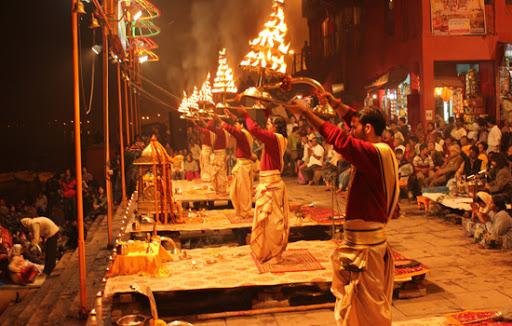
One of the most unique experiences at Pashupatinath is the evening aarati ceremony performed beside the Bagmati River. The sound of bells, chanting, and fire rituals creates a deeply spiritual atmosphere that attracts both pilgrims and tourists. The temple is also listed as a UNESCO World Heritage Site, making it one of Nepal’s most valuable cultural treasures.
Key facts
- Deity: Lord Shiva (as Pashupati)
- Location: Kathmandu, Nepal
- Founded: Circa 5th century CE (current structure rebuilt in 17th century)
- World Heritage status: Since 1979 (UNESCO)
- Architecture: Pagoda style with gilded roof and silver-covered doors
History and significance
he temple’s origins trace back to ancient Nepal, with inscriptions from the Licchavi period referencing the deity Pashupati. Destroyed and rebuilt multiple times, the current form dates mainly to the Malla era in the 17th century. It symbolizes Nepal’s deep-rooted Shaiva traditions and attracts devotees from across South Asia, especially during the Maha Shivaratri festival.
Architecture and layout
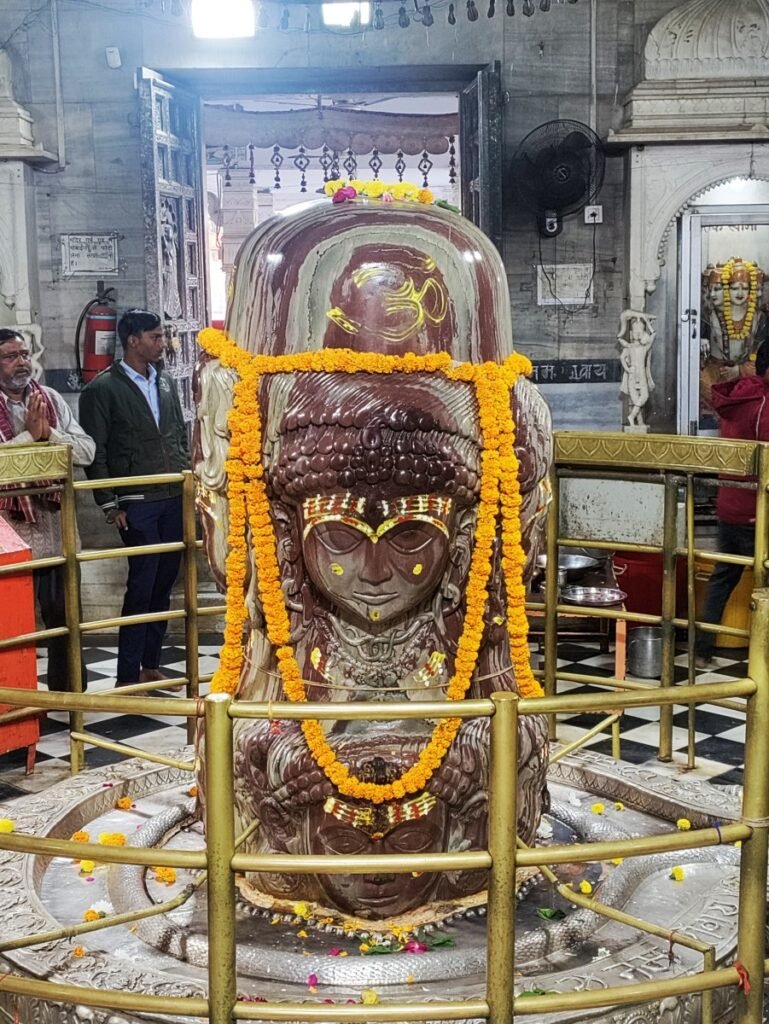
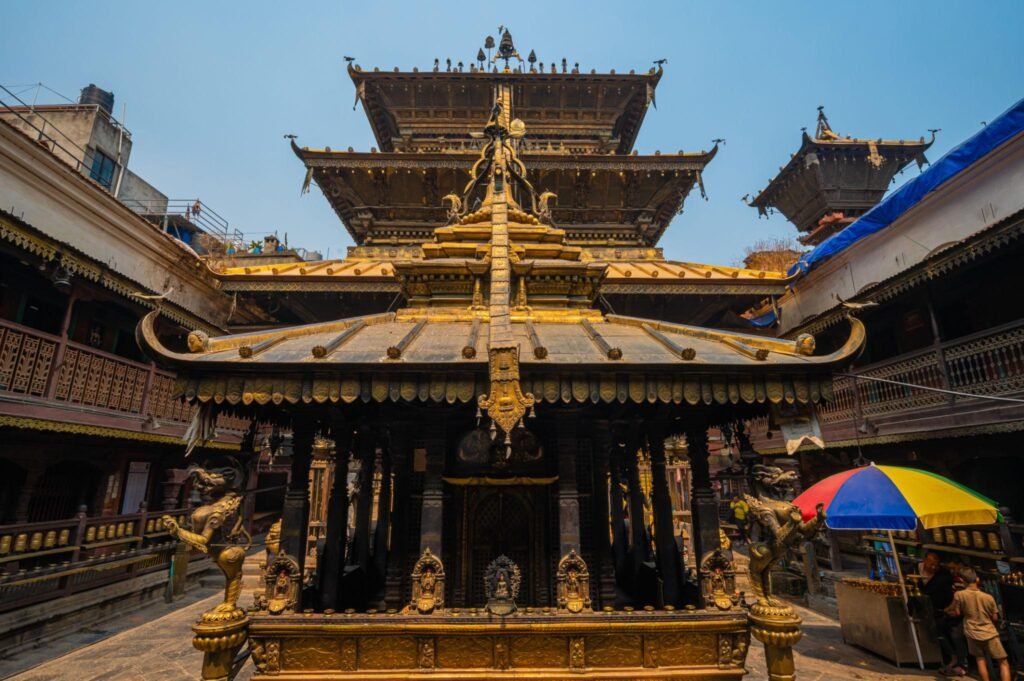
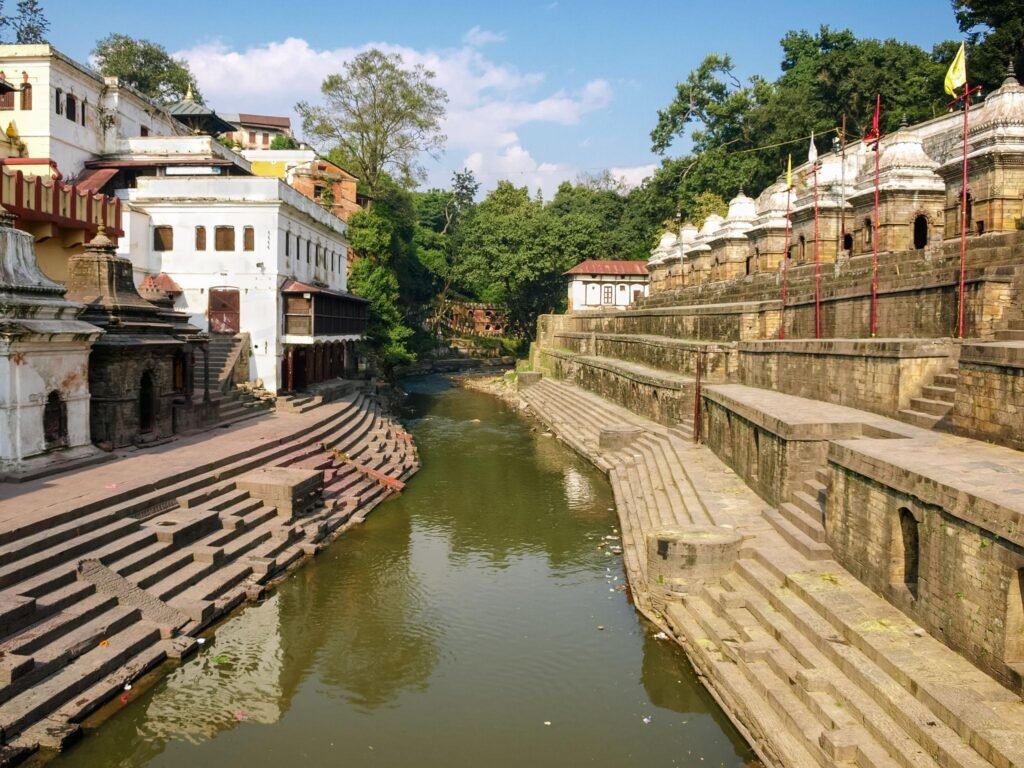
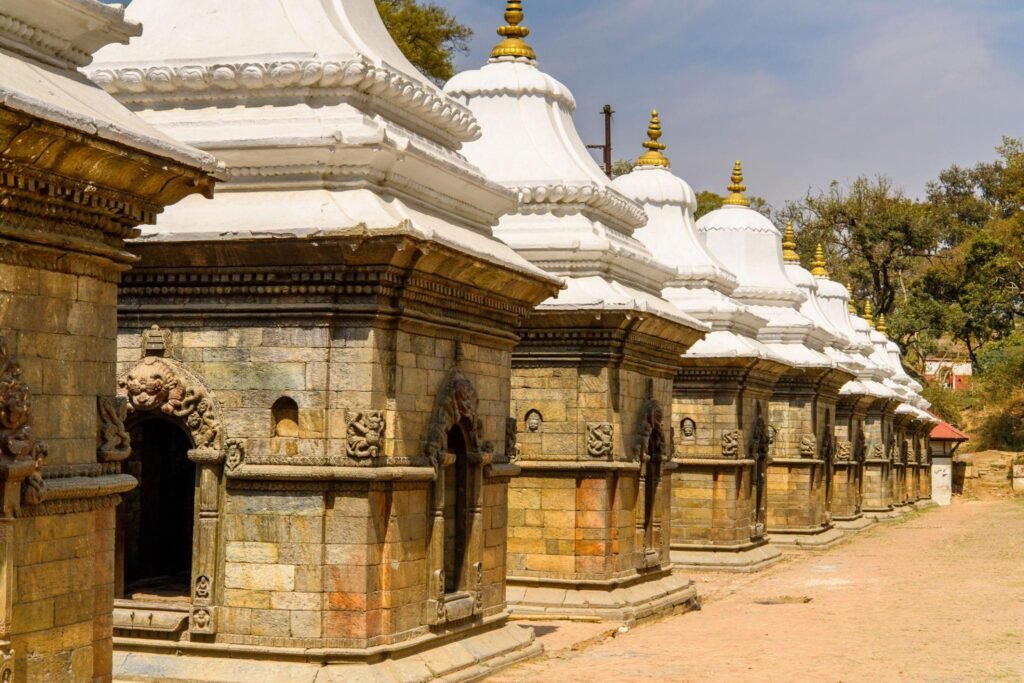
Built in the Nepalese pagoda style, the main temple features a two-tiered golden roof, richly carved wooden rafters, and a silver-plated entrance. The central sanctum houses a black stone linga with four faces representing different aspects of Shiva. Surrounding shrines, ghats, and ashrams extend along the Bagmati River, forming a sacred landscape for worship and cremation rituals.
Religious and cultural importance
Pashupatinath is both a spiritual center and a living cultural heritage site. It plays a vital role in Hindu life-cycle rituals, especially funerary rites at the Arya Ghat. The temple remains accessible only to Hindus, but its outer complex welcomes visitors and pilgrims year-round, making it a powerful symbol of Nepal’s religious continuity and devotion.
Importance of Religious Tourism in Nepal
Religious tourism is one of the most important parts of Nepal’s tourism industry. Pilgrims and visitors traveling to temples, monasteries, and sacred sites help support local economies and create employment opportunities. Hotels, restaurants, guides, transportation services, and local handicraft businesses all benefit from tourism.
Religious sites also help preserve Nepal’s ancient traditions, architecture, and spiritual culture. Many communities depend on tourism income to improve education, healthcare, and infrastructure in their areas.
Nepal’s peaceful spiritual atmosphere also attracts travelers seeking meditation, yoga, and personal peace. Because of this, Nepal has become one of the world’s leading destinations for spiritual and cultural tourism.
Conclusion
Nepal is a beautiful country filled with spiritual places, ancient temples, peaceful monasteries, and rich cultural traditions. Religious sites like Pashupatinath Temple, Lumbini, Boudhanath, and Muktinath Temple attract thousands of visitors every year. These places are not only important for religion but also for Nepal’s tourism, culture, and economy.
Exploring religious sites in Nepal gives travelers a chance to experience peace, history, tradition, and natural beauty all together. The warm hospitality of local people and the spiritual atmosphere make every visit special and memorable. Whether someone visits Nepal for prayer, meditation, culture, or travel, the country offers a unique and unforgettable experience in the heart of the Himalayas.